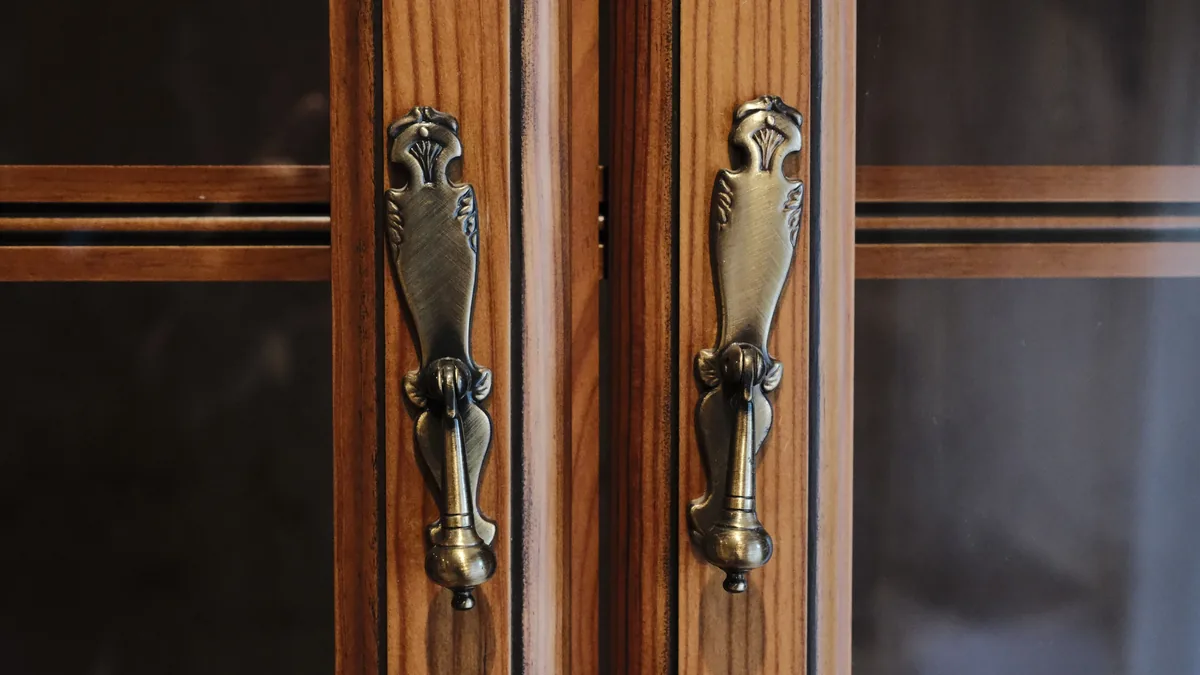
Fritz Hansen
| Original use | Office furniture |
|---|---|
| First created | 1970s |
| Country of origin | Denmark |
| Primary material | Wood (typically oak, teak, or ash) |
| Construction method | Mortise and tenon joinery |
| Typical components | Desk, storage units, bookcases |
| Design ethos | Modular system for flexible workspace arrangement |
Origin and history
Fritz Hansen originates from Denmark, with the company founded in Copenhagen in the late 19th century, specifically in the 1870s. The firm began as a traditional cabinet-making workshop, focusing on high-quality joinery and furniture production. It evolved through the early 20th century, establishing itself as a manufacturer of well-constructed, often architect-designed pieces. The company's pivotal shift toward modernist design occurred in the mid-20th century through collaborations with renowned Danish architects. These partnerships, particularly with Arne Jacobsen beginning in the 1950s, propelled Fritz Hansen into international prominence within the design world. The historical focus has consistently been on refined construction techniques and material integrity, forming a foundation for its iconic status.
What it is for
Fritz Hansen produces furniture and lighting intended for both residential and contract environments, such as offices, hotels, and public institutions. The pieces are designed to fulfill functional requirements while maintaining a high degree of aesthetic longevity and physical durability. The furniture serves practical needs for seating, dining, working, and storage, engineered for daily use over extended periods. A core purpose is to provide a cohesive architectural element within an interior, where the construction of the piece contributes to the spatial experience. The designs often aim to offer ergonomic support and comfort through their form and material choices, not just stylistic appearance. Ultimately, the products are for those who prioritize enduring construction and timeless form over transient decorative trends.
Fritz Hansen guide
Identifying authentic Fritz Hansen pieces involves examining specific construction details and manufacturer marks. Look for clear, stamped or printed labels bearing the Fritz Hansen name, often located underneath seats or on wooden frames. Key identifiers include the model number and, for classic designs, the designer's name, such as "AJ" for Arne Jacobsen or "PK" for Poul Kjærholm. Study the joinery and material finishes; genuine articles exhibit precise, clean connections and consistent, high-quality material surfaces. Be aware that many iconic designs, like the Series 7 chair or the Egg chair, have specific structural details, such as the distinctive molded plywood shell or the internal steel frame. Consulting official archives or reputable dealer catalogs is necessary for verifying production periods and original specifications.
Overview
Fritz Hansen represents a Danish design manufacturer where the integrity of construction is paramount. The company's output is characterized by a synthesis of innovative materials, such as molded plywood, bent steel, and leather, with meticulous craftsmanship. Its identity is inextricably linked to the mid-century Danish modern movement, though its catalog spans from earlier classical pieces to contemporary collaborations. The overarching principle is that the structural logic of a piece should inform its visual expression, resulting in forms that are often elegantly simple. This approach has yielded a collection of furniture that is systematically coherent, with many designs intended to work together within a space. The brand maintains a commitment to in-house manufacturing and quality control for its core product lines.
What to know
The value and authenticity of Fritz Hansen furniture are closely tied to its original production methods and components. Reupholstery or refinishing of vintage pieces, if done incorrectly with non-original materials, can significantly diminish their historical and monetary value. Understanding the difference between first editions, later production runs, and licensed reproductions is crucial for collectors and specifiers. The company has reissued many of its classic models, sometimes with subtle updates to materials or engineering for contemporary standards. It is important to know that the designs are protected by copyright and trademarks, making unauthorized reproductions legally actionable. The furniture requires appropriate maintenance, such as periodic tightening of mechanical joints and care for specific materials like aniline leather or oiled wood.
Common questions
A frequent question is how to distinguish between an original vintage Fritz Hansen piece and a modern reissue from the company. Another common inquiry concerns the maintenance and cleaning of specific materials, such as the proper treatment for the upholstery on a Swan chair. People often ask about the compatibility of new upholstery fabrics or finishes with older models and whether the company provides restoration services. There is regular interest in the ergonomic rationale behind certain designs, like the curvature of the Series 7 chair shell. Questions about pricing and lead times for custom configured items are standard, given the made-to-order nature of many products. Collectors frequently seek information on dating a piece through its labels, screws, or other manufacturing details.
Pros and cons
A primary advantage is the exceptional durability and longevity of the furniture, stemming from robust materials and over-engineered joints that withstand decades of use. The designs possess a timeless quality that integrates into evolving interiors without appearing dated, offering long-term value. A significant drawback is the high initial cost, which places the pieces out of reach for many consumers and limits their use to budget-conscious projects. The minimalist aesthetic can sometimes be perceived as cold or institutional, particularly in residential settings seeking more decorative warmth. Common regrets arise from choosing light-colored upholstery or delicate finishes in high-traffic areas without understanding the required maintenance. A frequent mistake is purchasing unauthorized replicas, which often suffer from poor ergonomics, substandard materials, and rapid physical failure, negating any short-term cost saving.
Who it suits
This furniture suits architects and interior designers who specify pieces for commercial projects where durability, warranty, and design pedigree are contractual requirements. It is appropriate for homeowners who view furniture as a long-term investment and prioritize structural integrity and timeless design over frequent replacement. The brand appeals to collectors and design enthusiasts who have a studied appreciation for mid-century modernism and manufacturing history. It is well-matched for corporate or institutional environments that require a cohesive, professional aesthetic backed by proven performance in contract settings. The products are less suited for temporary living situations, highly budget-limited projects, or environments where furniture is expected to be purely disposable or decorative. It ultimately suits those who understand and value the principle of construction over styling.