Matt Estlea Discusses CNC for Traditional Furniture Making
A woodworking podcast explores the use of CNC technology in traditional furniture making, while a craftsman details practical applications for superglue in the workshop.
This week's coverage includes a discussion on integrating modern CNC machinery into traditional furniture making. A separate piece offers a detailed defense of superglue as a versatile tool for woodworking repairs and temporary fixes.
CNC for Traditional Furniture Making
Vic and Bridgid recently spoke with long-time woodworking content creator Matt Estlea. Their conversation centered on the application of Computer Numerical Control (CNC) technology within the realm of traditional furniture making. The discussion was part of an episode of the biweekly podcast Shop Talk Live, which answers reader questions.
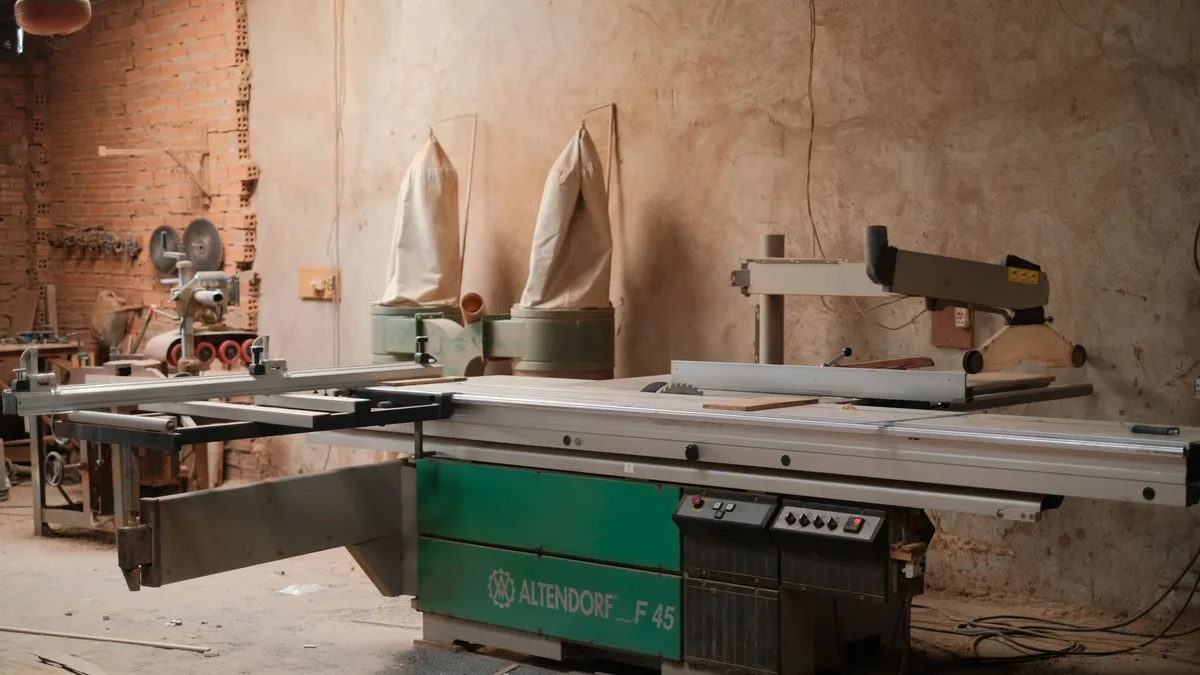
A listener named Tim posed a detailed question about table saw design, contrasting American and German approaches. He noted that German table saws from around 1930 onward typically include a built-in, foldaway crosscut table made from cast iron or aluminum. This component runs on bearings along a metal pipe, functioning as a precise, high-capacity crosscut sled. Tim questioned why American table saws lack this integrated feature, which he views as essential for one of the tool's two primary jobs: crosscutting. He compared the absence to a jointer being sold without a fence, forcing the user to build a necessary jig themselves.
The podcast team, including Matt Estlea, addressed this query. They explored the historical and practical reasons behind the differing tool philosophies. The conversation highlighted how traditional woodworking continually adapts, now even considering the role of CNC machines. This technology represents another layer of tool integration, prompting craftsmen to evaluate its place alongside hand tools and conventional machinery in creating furniture.
Superglue in the Workshop
A craftsman has outlined a compelling case for keeping superglue, or cyanoacrylate, readily available in the workshop. Its primary advantage is the instant bond it provides, which is invaluable for certain repairs and tricky assembly situations. The author stresses that superglue does not replace traditional wood glues for major structural joints but serves specific, strategic purposes.
One key application is repairing splits in long grain, such as a short grain break in a dovetail. The glue becomes virtually undetectable after a pass with a plane, allowing work to continue immediately. However, the author warns against using it on end grain, as it can soak in and become visible under a finish. Superglue is also praised for its utility in rebuilding damaged areas, like a crumbled plane tote horn. By applying glue and sprinkling on sawdust from a bandsaw or sander, layers can be built up and then shaped with hand tools. A light mist of accelerator speeds up the process.
Also, the adhesive is ideal for temporary holding. The author used it this week to secure bench lifts in place for precise drilling. Like hide glue, superglue typically fails along the glue line rather than the wood, which can be beneficial. A single drop can temporarily hold a component that needs to be parted later with a tap from a chisel.