Blue Spruce Debuts MagnaCut Hand Plane
A new high-end hand plane from Blue Spruce and a discussion on European table saw features highlight this week's furniture-making news.
This week's developments in furniture making include the launch of a premium hand plane and a detailed discussion on the functional differences between European and American table saws. Both stories focus on the tools and construction considerations central to the craft.
New Tools and Materials
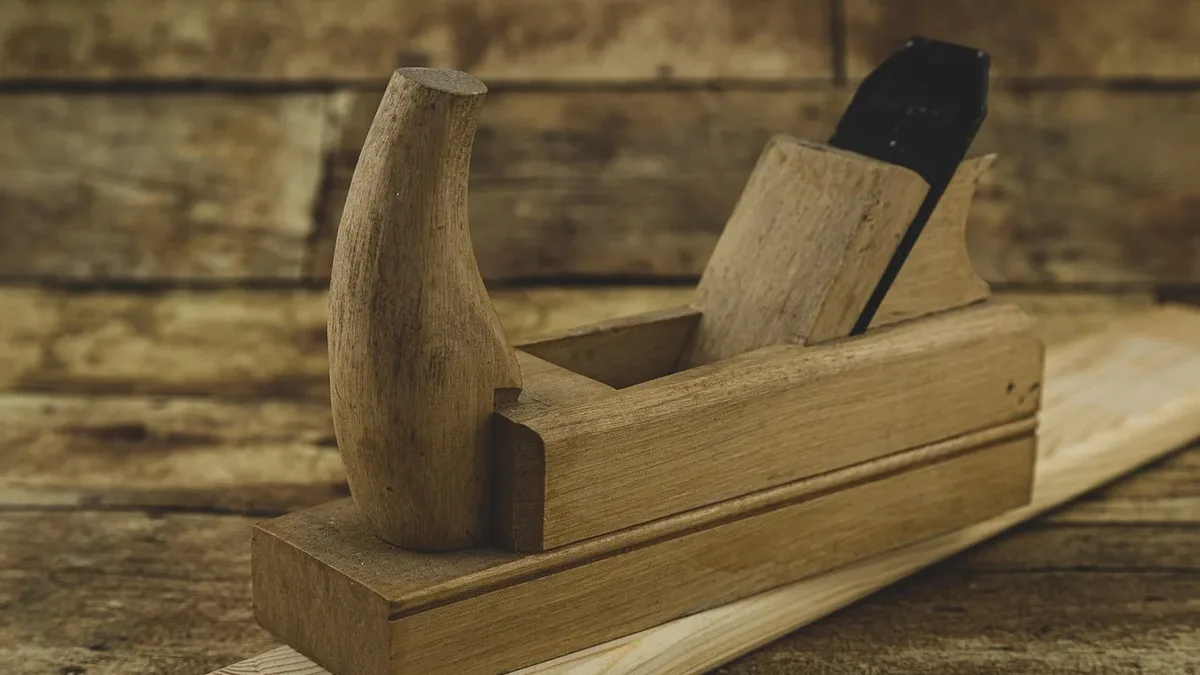
Blue Spruce Toolworks has released its first traditional hand plane, constructed from CPM MagnaCut stainless steel. The alloy is noted for its fine grain structure, which is said to provide a sharp, long-lasting edge for woodworking tasks. The company is currently accepting preorders with an estimated delivery timeframe of 12 to 16 weeks.
Other tool updates emerged this week. Makita expanded its MAKTRAK modular storage system with three new toolboxes, including rolling and compact versions. Georgia Boot highlighted an expansion of its Carbon Flex line, which uses a carbon fiber-reinforced toe for lighter weight protection. Milwaukee announced upgraded circular saw blades with a thick kerf for stability, set for release in December. The new finish blade will come in 7-1/4 inch and 10-1/4 inch sizes, while the ultra-finish blade will be available in a 7-1/4 inch size only.
A woodworker's project also sparked technical discussion. A maker created a pair of matching tables, one from solid beech and the other from porcelain tile designed to look like wood. The beech table features an unconventional use of ceramic tile for its bowtie inlays, glued with a non-wood adhesive and grouted with a flexible material. The maker expressed curiosity about the long-term performance of these inlays, speculating they might hold if the wood was adequately dry but could crack under significant environmental shifts.
European Table Saw Features
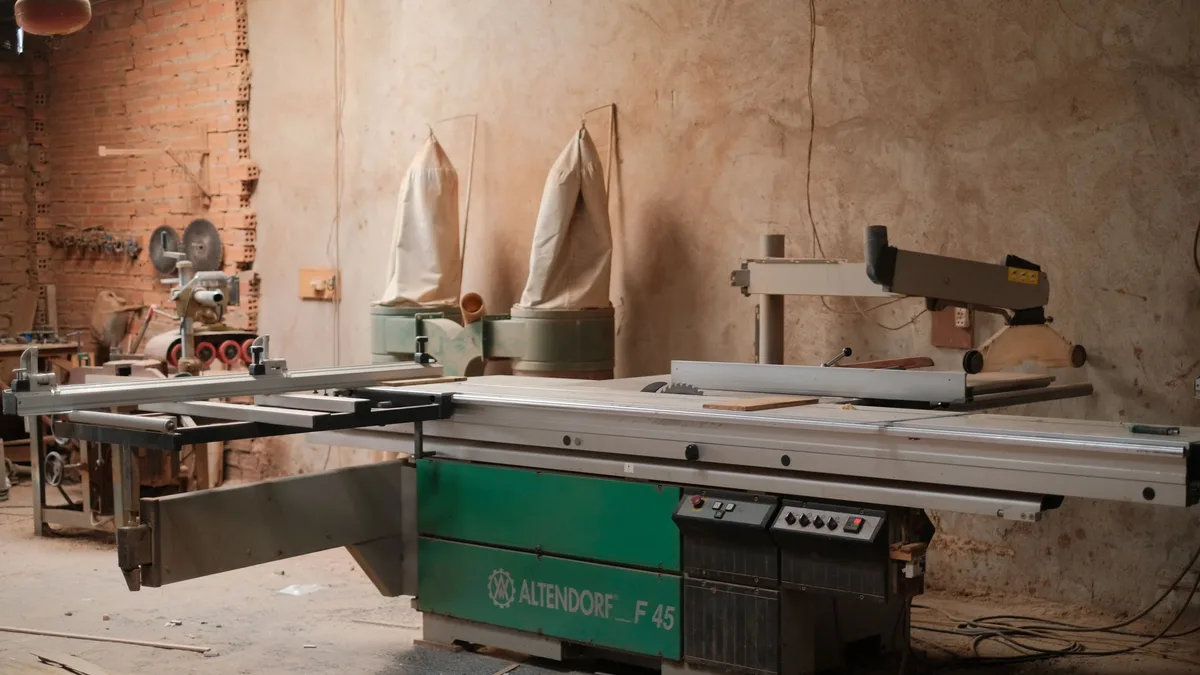
A question from a listener named Tim prompted a discussion on the Shop Talk Live podcast regarding table saw design. Tim asked why American table saws typically lack the integrated sliding crosscut tables common on German saws dating back to the 1930s. He described these European features as a built-in, foldaway crosscut sled made of cast iron or aluminum, running on bearings along a metal pipe, and often paired with a fence featuring stops for repeatable cuts.
Tim's query framed the table saw as having two primary jobs: ripping and crosscutting. He compared the common American practice of building a crosscut sled jig to a hypothetical jointer manufacturer not including a necessary fence. The question sought historical or practical reasons for this divergence in standard tool features between markets. The podcast hosts, including Matt Estlea and Ben Strano, engaged with this topic in their regular format for answering reader questions.