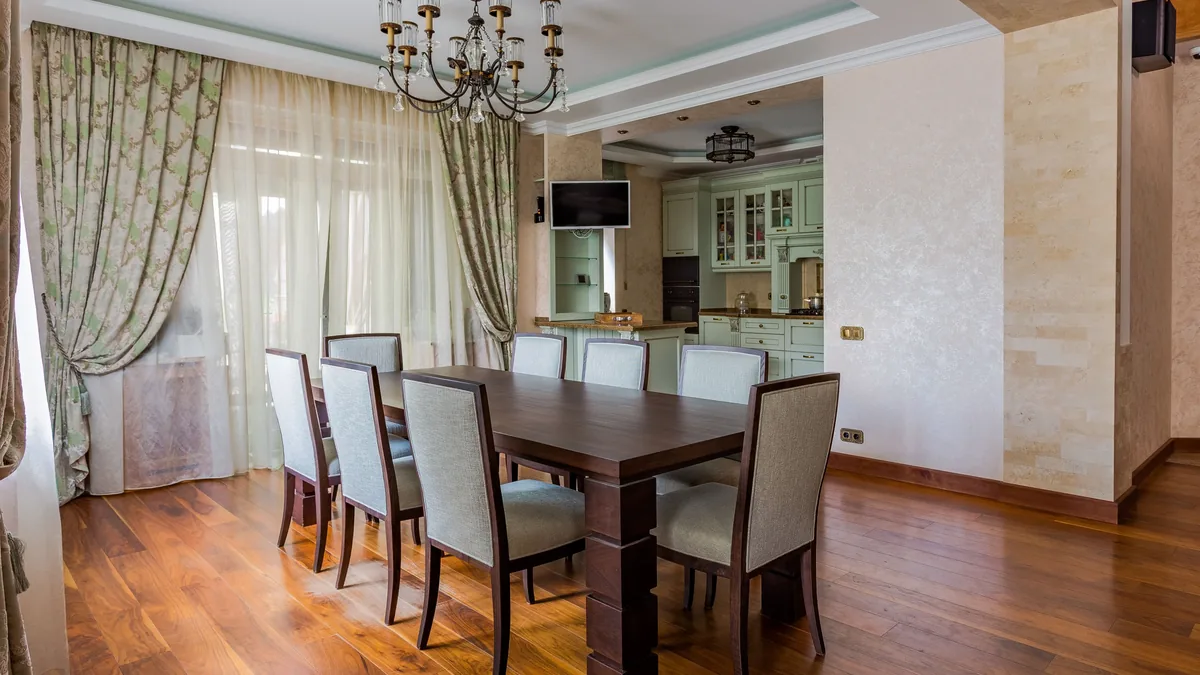
Dining Chair
| Country of origin | Varies by specific design |
|---|---|
| First created | Antiquity (ancient civilizations) |
| Original use | Seating for dining or similar table-based activities |
| Primary construction method | Varies (e.g., solid wood joinery, bentwood, molded) |
| Typical materials | Wood, metal, plastic, or composite materials |
| Common structural joints | Mortise and tenon, dowel, or welded |
| Back support type | Full (ladder, slat, solid) or minimal (brace) |
| Typical leg count | Four |
Origin and history
The dining chair, as a distinct form from the general side chair, emerged in Europe during the late medieval period, becoming more common in the 16th and 17th centuries. Its development was directly tied to the evolution of the dedicated dining room and the dining table as central domestic furniture. Early examples from the Renaissance era were often substantial, made from oak or walnut, and reflected the status of the household. The form proliferated and diversified during the 18th century, with regional styles like the English ladder-back and the French cabriole-leg chair becoming prominent. The Industrial Revolution of the 19th century introduced mechanized production, making dining chairs more widely available and leading to styles like the pressed-back chair. The 20th century saw continued experimentation with materials and forms, from bentwood to molded plywood and plastic, though the fundamental purpose remained unchanged.
What it is for
A dining chair is a freestanding seat designed specifically for use at a dining table, providing support for a seated individual during meals and other table-based activities. The design must accommodate the human body in a posture suitable for eating, which involves a relatively upright spine and clearance for the thighs under the table apron. Beyond seating, it is engineered to be moved frequently, requiring a balance of stability for leaning back and lightness for handling. The chair's structure must withstand repeated entry and egress, as well as the shifting weight of occupants, making durability a key consideration. Its form also contributes to defining the spatial and social arrangement of a dining area, often being used in sets to create a cohesive gathering place.
Pros and cons
A well-constructed dining chair provides reliable, long-term seating that can endure daily use for decades, often becoming a permanent fixture in a home. The primary advantage lies in a dedicated ergonomic design that supports proper posture during meals, unlike many multipurpose chairs. However, a common failure point is in the joinery; chairs with poor corner bracing or weak glue joints will inevitably loosen and wobble under the stresses of rocking and leaning. Many purchasers regret choosing chairs based solely on style, ending up with pieces that are uncomfortable for long dinners or structurally unsound for regular use. Upholstered dining chairs present a specific con, as fabric or leather seats are highly susceptible to permanent staining from food and drink spills, requiring costly reupholstery. Another frequent mistake is selecting chairs without considering the table clearance, resulting in cramped seating where the chair arms cannot fit underneath or the user's legs collide with the table structure.
Who it suits
Dining chairs with traditional mortise-and-tenon or dowel joinery suit individuals seeking heirloom-quality furniture that can be repaired and maintained over generations. Simple, solid-wood designs with durable, cleanable finishes are well-suited for families with young children, where spills and heavy use are a daily expectation. Those with formal dining rooms used for entertaining may prioritize chairs with more elaborate styling and upholstery, accepting the higher maintenance for aesthetic effect. Minimalist designs with strong, visible joinery appeal to those who appreciate clear construction and a utilitarian aesthetic over decorative elements. People with limited space often benefit from stackable or armless dining chair designs, which allow for easier storage and a less visually bulky appearance. Ultimately, the most suitable dining chair is one whose construction method and material choices align with the practical demands of the household's dining habits, rather than transient stylistic preferences.
Latest Dining Chair news
Latest reporting
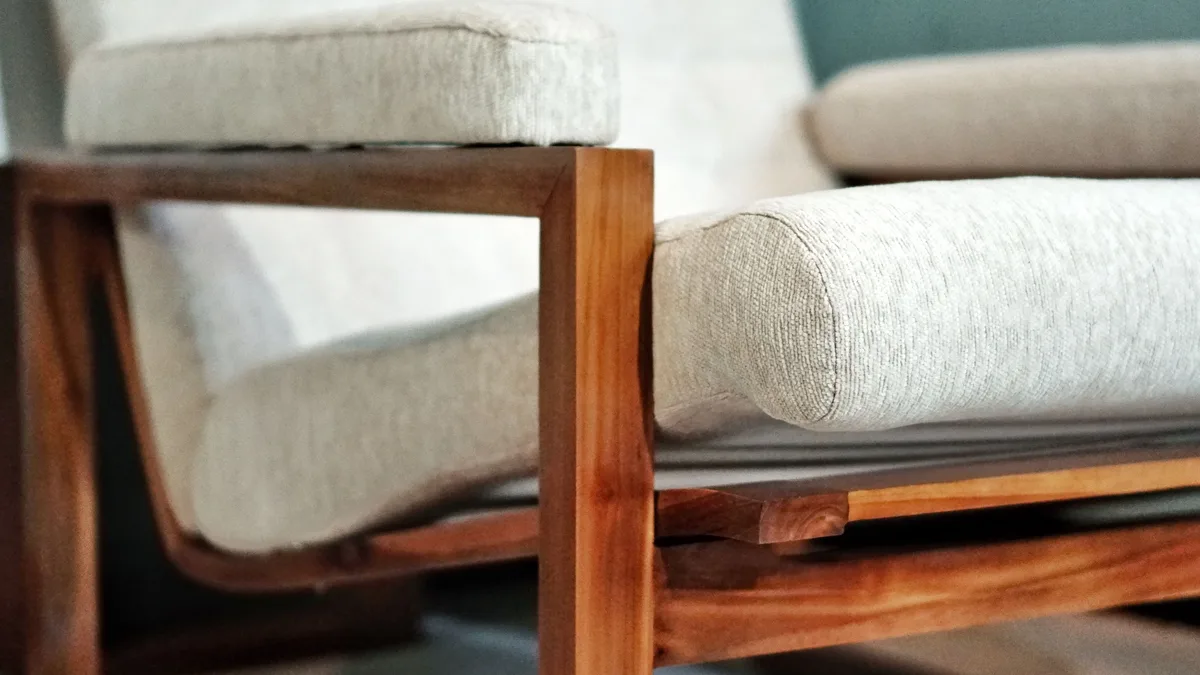
Upholstering an Arm Chair with a Waterfall Cushion
A woodworking guide details the process for creating an integral, waterfall-style upholstered cushion for a large armchair or Morris chair...
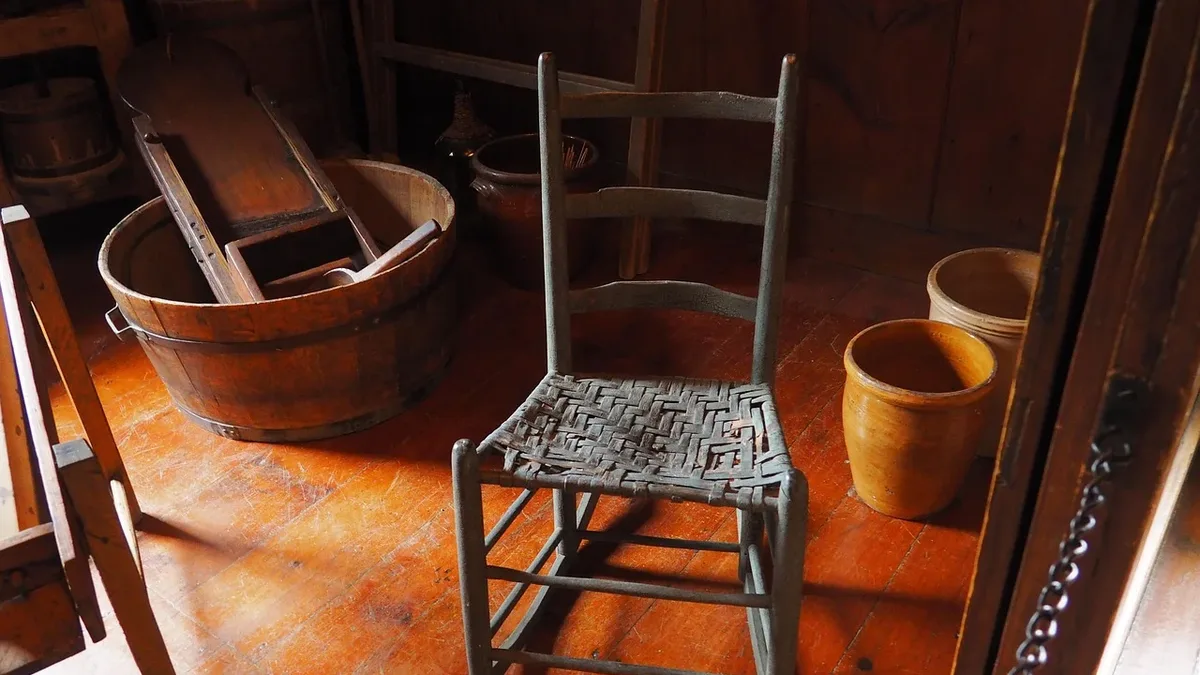
Fine Woodworking details prewoven cane seat
A Fine Woodworking article explains the process of reviving an old chair by replacing its seat with prewoven cane, detailing the materials, tools, and
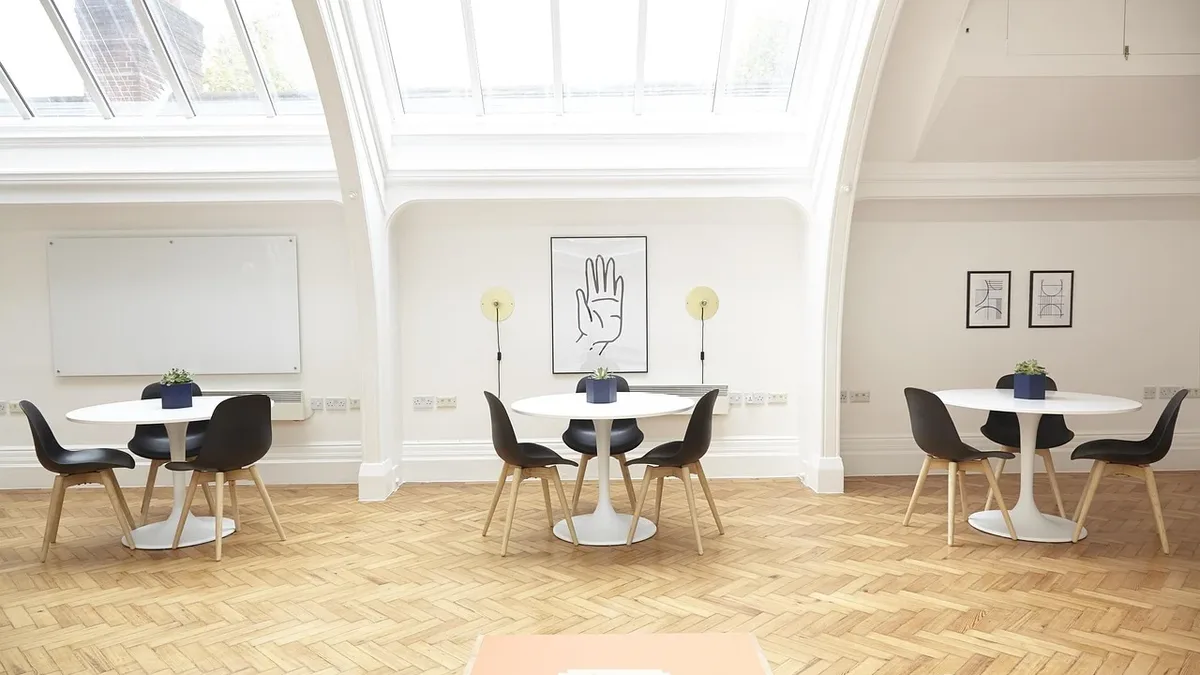
Actiu Launches New Generation A+S Work Chair
Actiu's redesigned A+S Work task chair, available in the UK from September 2026, features enhanced ergonomics and a high-density polyamide structure...

Unique Squirrel-Themed Chair Available for Sale
A one-of-a-kind chair featuring a squirrel design is up for silent auction, with bidding open until August 19, 2026.

Francis Trumble: The Philadelphia Windsor Chair Maker Behind the Declaration of Independence Chairs
A dramatic YouTube video recounts the story of Francis Trumble, the craftsman who built the Windsor chairs used during the signing of the Declaration...