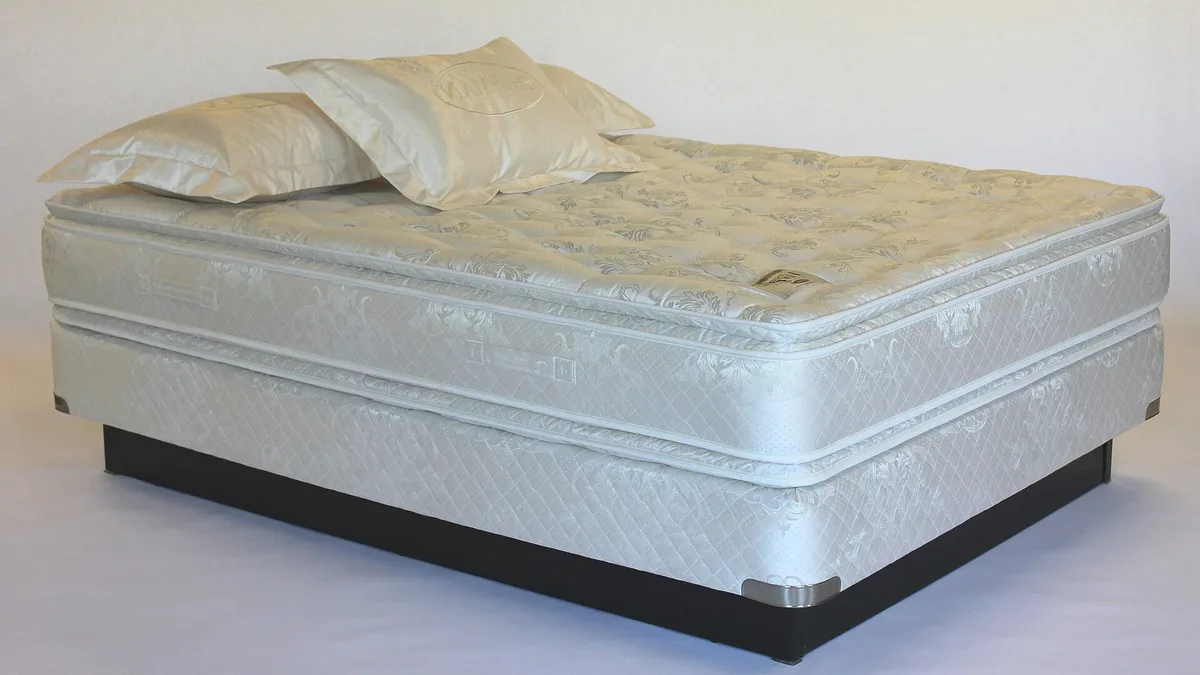
Mattress Base
| First created | Antiquity (as raised bed frames) |
|---|---|
| Original use | To elevate and support a mattress |
| Construction | Rigid frame with internal support system |
| Support type | Solid platform, slatted, or sprung |
| Material | Typically wood, metal, or engineered wood |
| Height | Low to standard (varies by style and era) |
| Joinery | Mortise and tenon, dowels, or metal fasteners |
Origin and history
The mattress base, as a distinct furniture piece separating the sleeping surface from the floor, has ancient origins. Its earliest forms emerged in regions like Egypt and Mesopotamia several millennia ago, primarily as a functional response to environmental and pest concerns. These ancient versions were often simple raised platforms made from stone, wood, or woven reeds, elevating sleepers off damp, cold, or insect-ridden ground. The concept evolved significantly through the centuries, with the Romans developing more elaborate wooden frames strung with rope or leather for support. The familiar bedstead with a solid or slatted base became commonplace in European furniture by the Middle Ages, constructed from local timber by carpenters. The industrial era of the 19th century later enabled standardized production of metal and wooden bed frames, solidifying the mattress base as a ubiquitous household item.
What it is for
A mattress base provides the essential structural foundation required for proper mattress support, performance, and longevity. Its primary function is to evenly distribute the weight of the mattress and its occupants, preventing sagging and maintaining the mattress's intended shape and firmness. A correctly designed base ensures adequate ventilation for the mattress materials, which is critical for managing moisture and preventing mold and mildew accumulation. It also serves to elevate the sleeping surface to a practical and comfortable height for entering and exiting the bed. From a construction perspective, the base absorbs a significant portion of the mechanical stress and movement that would otherwise be transferred directly to the mattress. Furthermore, it acts as the critical interface, through its joinery and frame, that connects and stabilizes the overall bed structure, including headboards, footboards, and side rails.
Pros and cons
A well-constructed mattress base provides vital support that can double the functional lifespan of a mattress by preventing premature sagging and material breakdown. Its rigid structure creates a stable sleeping platform that is noticeably more secure and quiet than improvised setups like placing a mattress directly on the floor. The elevation improves under-bed air circulation, which is essential for hygiene and material preservation. Conversely, a poor-quality base with weak joinery or inadequate central support will cause even a high-quality mattress to fail, leading to discomfort and a common point of consumer regret. Low-profile panel bases with insufficient ventilation can trap moisture, creating an environment conducive to mold, particularly in humid climates. The common mistake is selecting a base based solely on aesthetic compatibility with a headboard while neglecting its support specifications, which often results in premature mattress failure and unnecessary replacement costs.
Who it suits
A solid panel or slatted base with robust, traditional joinery suits owners of traditional innerspring mattresses which require a firm, unwavering foundation to prevent coil distortion. A base with closely spaced, rigid slats is particularly well-suited for memory foam and latex mattresses, as it provides the necessary uniform support without creating pressure points that can damage the material. Individuals concerned with allergen reduction or living in humid environments benefit from bases designed with maximum airflow, such as those with widely spaced slats or a breathable mesh panel. People who prioritize long-term value and durability should seek out bases constructed with mortise-and-tenon or double-dowel joinery, as these withstand years of lateral stress. This furniture piece is essential for anyone using a modern mattress with a non-flexible foundation warranty, as most manufacturers explicitly void warranties if the mattress is used on an inadequate or improper base. It also suits those needing specific height adjustments for accessibility, as bases are available in a range of profiles from low-platform to extra-tall.