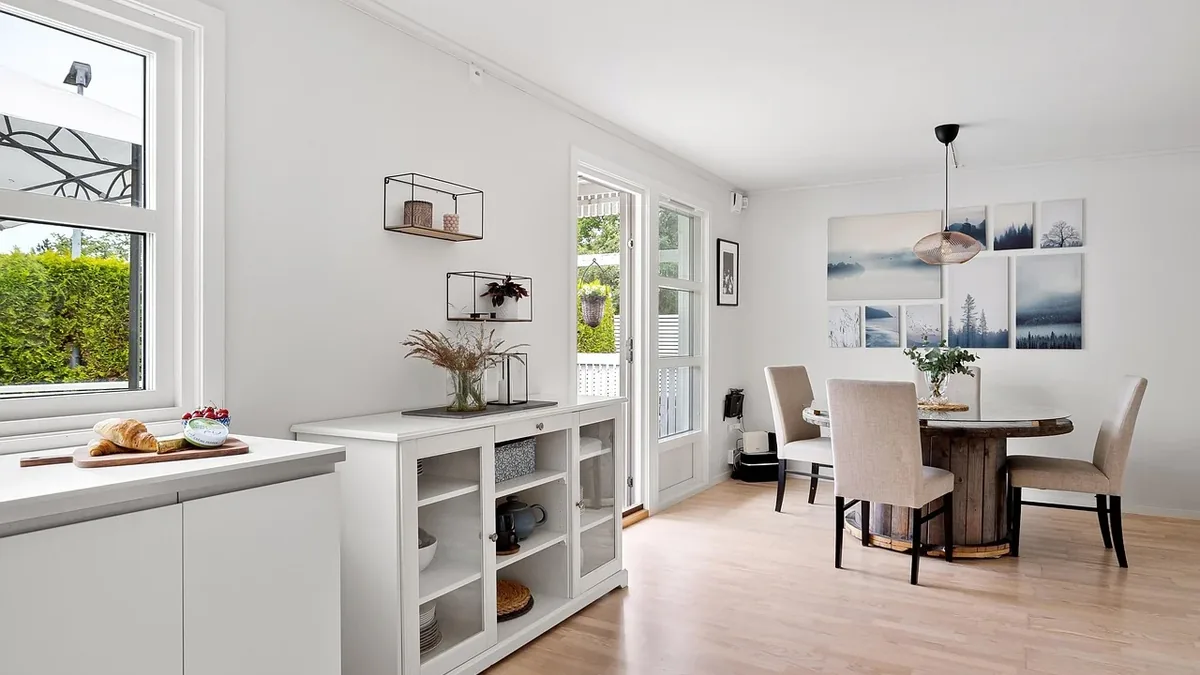
Sideboard
| Country of origin | United Kingdom |
|---|---|
| First created | Mid-18th century |
| Original use | To hold serving dishes and tableware in a dining room |
| Typical materials | Hardwoods like oak, mahogany, or walnut |
| Construction | Frame-and-panel or case construction with traditional joinery |
| Typical dimensions | Long, low, and narrow; height is often table-height |
| Primary compartments | Drawers and/or cupboard doors |
| Surface | Flat top for serving or display |
Origin and history
The sideboard originated in England during the late 17th century, evolving from earlier forms like the side table and court cupboard. Its development was closely tied to changes in dining habits among the affluent, moving service away from the main table. The form became standardized and widespread throughout the 18th century, particularly during the Georgian period. Early versions were often simple, sturdy pieces made by regional joiners for practical household storage. By the mid-18th century, cabinetmakers were producing more refined designs with mahogany and sophisticated veneers, reflecting its status as a key piece of dining room furniture. The sideboard's form continued to be adapted through the Victorian era and into modern times, though its core construction principles remained.
What it is for
A sideboard is a long, low storage cabinet designed for use in a dining room, traditionally placed against a wall. Its primary function is to store dining essentials such as table linens, cutlery, serving dishes, and glassware, keeping them accessible but out of sight. The piece provides a substantial surface area for staging dishes, plates, and drinks before and during a meal, serving as a practical landing zone. In many designs, the top surface includes a raised back rail, or gallery, to prevent items from being pushed off the back. Some historical models incorporated specialized fittings like cellarette drawers for wine bottles or brass rails for hanging cloths. Its design inherently separates the preparation and service areas from the dining table itself, contributing to an organized and efficient dining ritual.
Pros and cons
A primary advantage of a well-constructed sideboard is its significant and versatile storage capacity, consolidating items that would otherwise clutter other surfaces or require multiple pieces of furniture. Its solid construction, when built with proper joinery, ensures remarkable longevity, often surviving for generations with minimal repair. The substantial top surface is highly practical for serving and display, functioning as a dedicated utility area that protects dining tables from heat and spills. A significant drawback is its substantial footprint, requiring ample wall space and clear floor area, which makes it unsuitable for very small or narrow dining rooms. Lower-quality versions, often relying on screws, staples, or poor adhesives instead of solid joinery, are prone to sagging shelves, wobbling frames, and failed drawer guides under heavy load. Many buyers regret choosing a sideboard based solely on superficial style, only to find its interior layout impractical for their specific dishes, platters, or glassware, leading to inefficient use of space.
Who it suits
This piece suits households with formal or frequent dining habits that require dedicated storage and staging space for tableware and serving items. It is ideal for those who value furniture built with traditional cabinetmaking techniques, such as dovetail joints and mortise-and-tenon construction, for its durability and integrity. Individuals living in homes with proportionally sized dining rooms, where the sideboard's scale complements the table and room without causing obstruction, will find it most functional. It is a practical choice for collectors of tableware, china, or linens who require organized, protected storage outside of a kitchen cabinet context. The sideboard also suits interior schemes where a substantial, anchored furniture piece is needed to define a dining area within an open-plan living space. It is less suited to those with highly mobile lifestyles or in temporary living situations, due to its weight and size, or for those whose dining needs are minimal and informal.