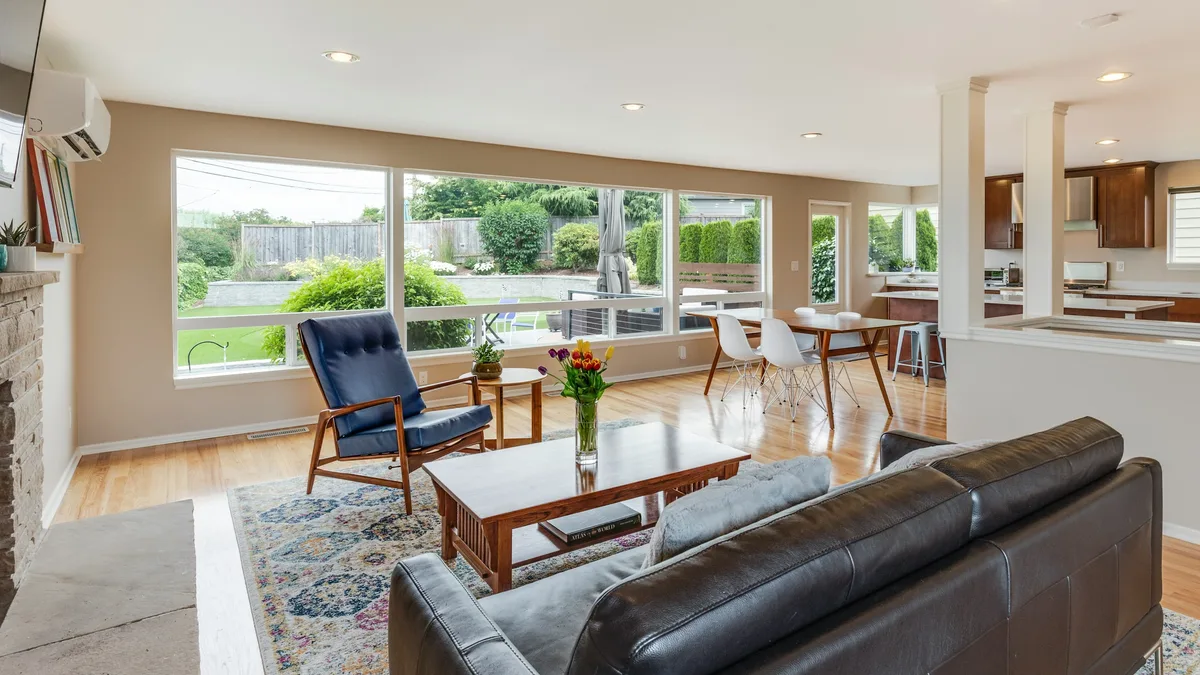
For Living Room
| Country of origin | Various |
|---|---|
| First created | 17th century |
| Original use | Formal reception and social gathering |
| Typical construction | Wood frame with upholstery |
| Seating capacity | 2 to 4 persons |
| Common styles | Chesterfield, Lawson, Tuxedo, Mid-century modern |
| Typical dimensions | 70–90 inches wide, 30–40 inches deep |
| Common upholstery materials | Fabric, leather, velvet |
Origin and history
The living room, as a dedicated domestic space for leisure and socializing, is a concept that emerged in Western Europe during the late 17th century. Its development is intrinsically linked to the rise of a middle class with the means to dedicate space solely to comfort and reception. The term "living room" itself gained common usage in the United States and Britain during the early 20th century, replacing the more formal "parlor" or "drawing room." This shift reflected a move towards more casual, family-centric use of the home's primary social space. The furniture for this room evolved from earlier aristocratic forms, becoming less ornate and more focused on durable, comfortable construction for daily use. Its history is therefore one of social change, where domestic architecture and furniture design adapted to new patterns of family life and entertainment.
What it is for
Living room furniture is designed to facilitate seated comfort, social interaction, and storage within a home's primary communal area. Its core functions are to provide stable, supportive seating for multiple occupants, often in configurations that encourage conversation. Secondary functions include offering surfaces for placing items like drinks, books, or lighting, and providing enclosed storage for media equipment, blankets, or other household items. The furniture arrangement typically defines activity zones within the room, such as a seating group focused on a fireplace or television. Unlike bedroom or kitchen furniture, its purpose is inherently social and versatile, accommodating activities from quiet reading to hosting guests. The construction must therefore balance immediate comfort with long-term durability under frequent use.
How to choose For Living Room
Prioritize the internal frame construction and joinery methods over superficial upholstery or finish details, as these elements determine longevity. Examine the corner joints on wooden pieces; look for solid wood blocks glued and screwed into place or proper mortise-and-tenon joints, avoiding pieces reliant solely on staples or simple butt joints. For upholstered items, inquire about the frame material, with kiln-dried hardwoods like maple or ash being superior to softwoods or composite boards. Assess the seating support system, noting that eight-way hand-tied coil springs generally offer greater durability and comfort than sinuous spring systems or plain webbing. Consider the room's traffic patterns and required seating capacity, ensuring the chosen pieces allow for clear walkways and do not overcrowd the space. Finally, match the scale of the furniture to the room's dimensions, avoiding oversized sectionals in small rooms or diminutive pieces in large, high-ceilinged spaces.
Overview
Living room furniture primarily consists of seating units like sofas, armchairs, and chaises, complemented by tables and storage cabinets. The construction focus for seating involves a rigid frame, a resilient support system of springs or webbing, cushioning layers of foam and fiber, and a durable upholstery cover. Tables and case goods rely on the integrity of their joinery and the stability of their panels to withstand lateral forces and the weight of stored objects. This category is defined by its requirement for robust, often heavy-duty construction to endure constant use, contrasting with more occasional or decorative furniture. The design must address both ergonomic comfort for prolonged sitting and structural integrity to handle dynamic loads, such as people sitting down forcefully or reclining. Materials are selected for wear resistance and stability, making hardwoods, high-density foams, and tightly woven fabrics standard choices.
What to know
The weakest points in living room furniture are typically the joints that undergo constant stress, such as where the arms attach to the sofa frame or the legs meet the seat base. Cushions will lose their initial firmness and require plumping or rotation to maintain an even appearance and prevent permanent deformation of the internal fill. Fabric upholstery will fade with direct sunlight exposure and will experience abrasion on armrests and seat fronts, with pile fabrics like velvet showing more wear than flat-weaves. Wooden elements on tables and cabinets may expand and contract with seasonal humidity changes, which can reveal flaws in inferior construction or cause doors to stick. The overall lifespan is largely determined by the quality of these unseen components, not the visible style. Understanding that even well-constructed pieces require maintenance, such as tightening hardware or cleaning spills immediately, is crucial for preservation.
Common questions
What is the difference between a sofa and a couch, and does it matter for construction? The terms are now used interchangeably, though "sofa" often implies a more formal, structured piece, but construction quality varies independently of the name. How can I tell if a piece is well-made without taking it apart? Look for weight and solidity, inspect the underside for a well-finished frame, check drawer interiors and runners, and feel for consistent cushion density. Is kiln-dried wood really that important for frames? Yes, it is critical as it minimizes subsequent warping, twisting, and joint failure that occurs with improperly dried wood. How often should cushions be flipped? For cushions with reversible covers, rotating and flipping them every few months distributes wear more evenly. What is the best type of spring system? Eight-way hand-tied coils are the traditional benchmark for durability and support, though high-quality sinuous springs can also perform well in many contexts. Are all hardwoods equally good for frames? No, dense hardwoods like oak, maple, and ash are preferred for strength, whereas softer woods like pine are more prone to splitting and joint failure over time.
Pros and cons
The primary advantage of well-constructed living room furniture is its longevity and sustained comfort, providing a stable foundation for daily life for decades. Proper joinery and material selection result in a piece that remains quiet and solid, without squeaks, wobbles, or sudden failures. A significant disadvantage is the higher initial cost and often heavier weight, making it difficult to move and representing a substantial upfront investment. Common regrets involve choosing a trendy style or delicate fabric that feels outdated or wears out quickly, while the underlying frame remains sound. The most frequent mistake is prioritizing appearance over construction, leading to purchases of visually appealing pieces that begin to sag, loosen, or fail within a few years. Another con is that even excellent construction cannot fully compensate for poor ergonomic design, resulting in seats that are too deep or too low for comfortable daily use.
Who it suits
This furniture type suits households that prioritize long-term value and durability over frequent redecorating, and who use their living room actively every day. It is ideal for individuals who appreciate understanding the craftsmanship behind an object and are willing to invest in it. Families with children or pets particularly benefit from the resilient construction and durable materials that can withstand active use and cleaning. It suits those who dislike the waste and inconvenience of replacing poorly made furniture every few years and prefer to maintain and repair their possessions. Conversely, it may not suit those who frequently change their interior design style, as the investment in construction is best amortized over a long period. It is also less suited for temporary living situations where heavy, substantial furniture would be difficult to move.
Latest For Living Room news
Latest reporting

Nissen Richards Studio designs IWM London
Nissen Richards Studio has designed the 'Childhood in War' exhibition for IWM London, opening summer 2026. The exhibition explores the impact of...
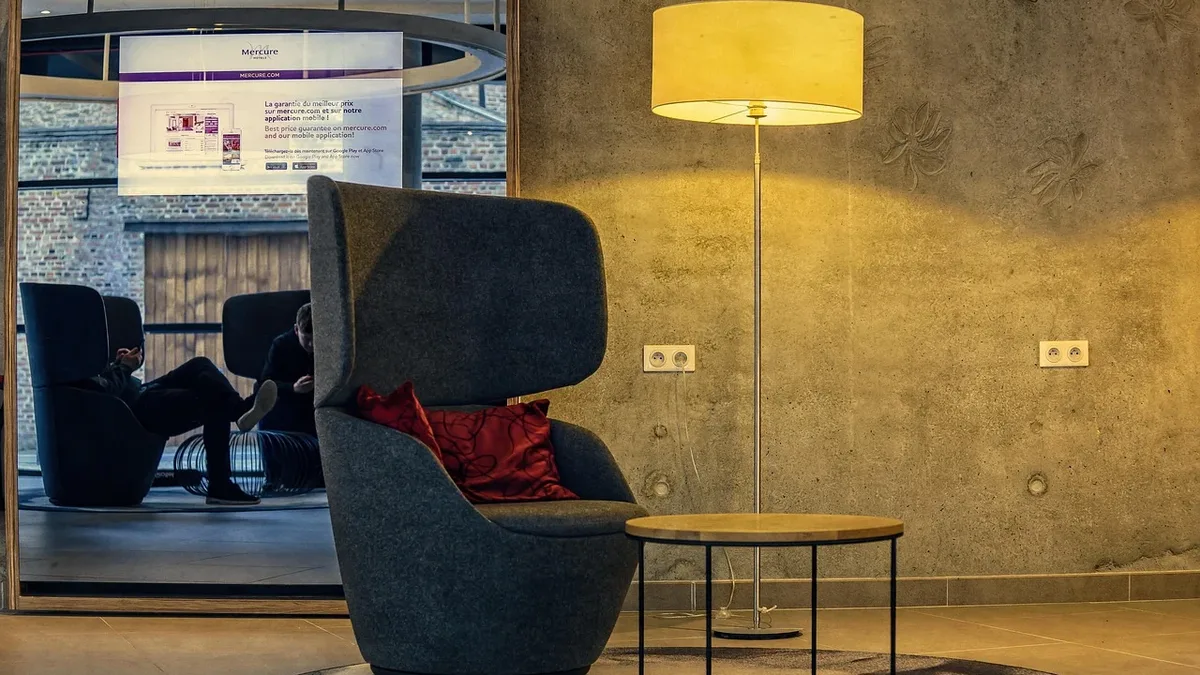
Elise Luttik Launches The Reflection Room
Dutch designer Elise Luttik has collaborated with Newmor to launch The Reflection Room wallcovering collection for hospitality interiors in summer...