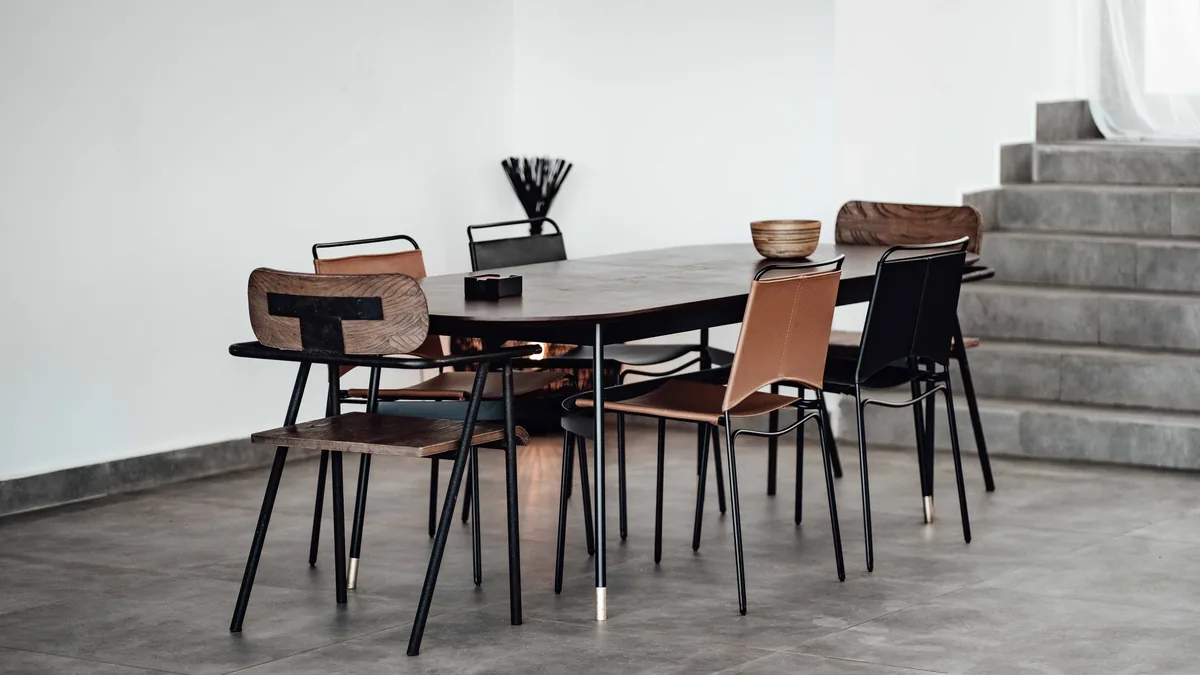
Dining Table
| Country of origin | France |
|---|---|
| First created | 17th century |
| Original use | Formal meals in aristocratic households |
| Primary material | Oak, walnut, or mahogany |
| Construction method | Mortise and tenon joinery |
| Typical base | Pedestal or trestle |
| Shape | Rectangular or oval |
| Size | Large, for 8 to 12 people |
Origin and history
The dining table as a dedicated piece of furniture originated in ancient Egypt and Mesopotamia, with early examples documented from around 2500 BCE. These initial forms were often low platforms or slabs used by elevated members of society for dining rituals, distinct from general-purpose surfaces. The concept evolved in ancient Greece and Rome, where rectangular tables with three legs became common in affluent households for reclining during meals. The form changed significantly in medieval Europe, where trestle tables with removable tops became prevalent in great halls, facilitating communal eating. The fixed, four-legged table as a central domestic item became standard in European homes from the Renaissance period onward, reflecting more structured dining customs. The development of specialized joinery, such as mortise and tenon and dovetail joints, was crucial in creating stable, expandable tables that could withstand daily use.
What it is for
A dining table is a dedicated, stable surface designed to facilitate the consumption of meals by a group of individuals. Its primary function is to provide a hygienic, level platform at a standard height for placing food, drink, tableware, and serving vessels. The construction is specifically engineered to support significant, often uneven weight loads, such as multiple dishes, pots, and the pressure of individuals leaning on it. Beyond eating, it often serves as a secondary workspace for activities like homework, crafting, or household projects due to its large, sturdy surface. The design inherently encourages social gathering and conversation, acting as a physical anchor for family and communal interaction within a domestic space.
Pros and cons
A primary advantage of a well-constructed dining table is its long-term durability and multi-generational utility when built with solid materials and proper joinery. A significant con is that large, fixed tables can dominate a room's footprint, making them a poor choice for small living spaces where flexibility is needed. Tables with complex extension mechanisms or delicate veneers are often regretted by owners who host infrequently, as the mechanisms require maintenance and the surfaces are easily damaged by heat and moisture. A common mistake is selecting a table based solely on aesthetic style, leading to choices with weak leg bracing or inadequate surface thickness that results in wobble and instability over time. Solid wood tables are prized for their reparability, but they are susceptible to changes in humidity, which can cause warping or joint failure if the construction does not account for wood movement. Conversely, tables made from engineered materials like medium-density fibreboard may offer initial stability and cost savings but cannot be refinished or repaired after surface damage, leading to premature replacement.
Who it suits
A solid, fixed-leg dining table suits households with dedicated dining spaces and stable family routines, where daily meals are taken communally. Expandable tables with leaves or drop-sides are ideal for those in medium-sized homes who require flexibility for occasional guests but need a compact footprint for daily use. Heavy, rustic tables constructed with through-tenons and thick tops suit individuals who prioritize longevity and character over refined styling and who accept the need for occasional maintenance. Minimalist tables with slender profiles and hidden joinery are best for modern, smaller-scale apartments where visual space is as important as function, though they often sacrifice load-bearing capacity. Families with young children are best served by tables with durable, easily cleaned surfaces like sealed hardwood or laminate, and rounded corners to mitigate injury. Individuals who value heirloom quality and are willing to invest in craftsmanship should seek tables made with traditional solid-wood joinery, avoiding glued composites or veneers over unstable cores.
Latest Dining Table news
Latest reporting

Shaker Side Table Project Tests Joinery Skills
A woodworking magazine revisits a classic Shaker side table project, detailing the construction process with a focus on multiple joinery techniques
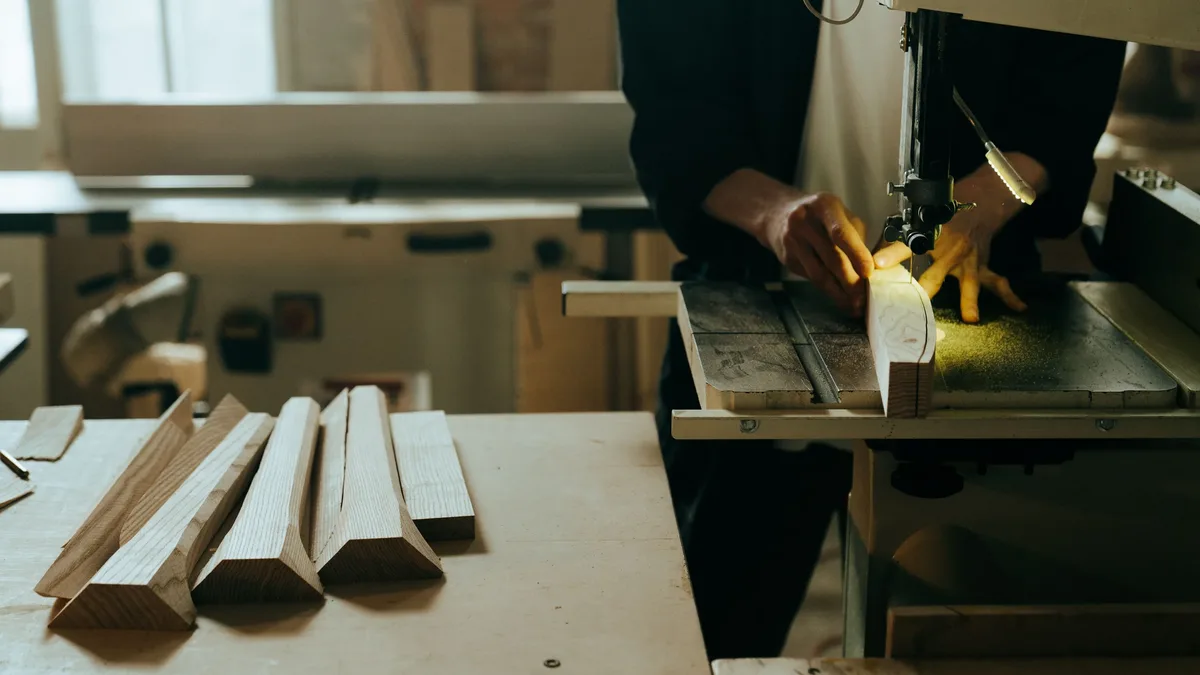
SawStop Unveils First Band Saw at IWF
SawStop has launched its first product beyond table saws: the Professional Band Saw, incorporating its safety technology.
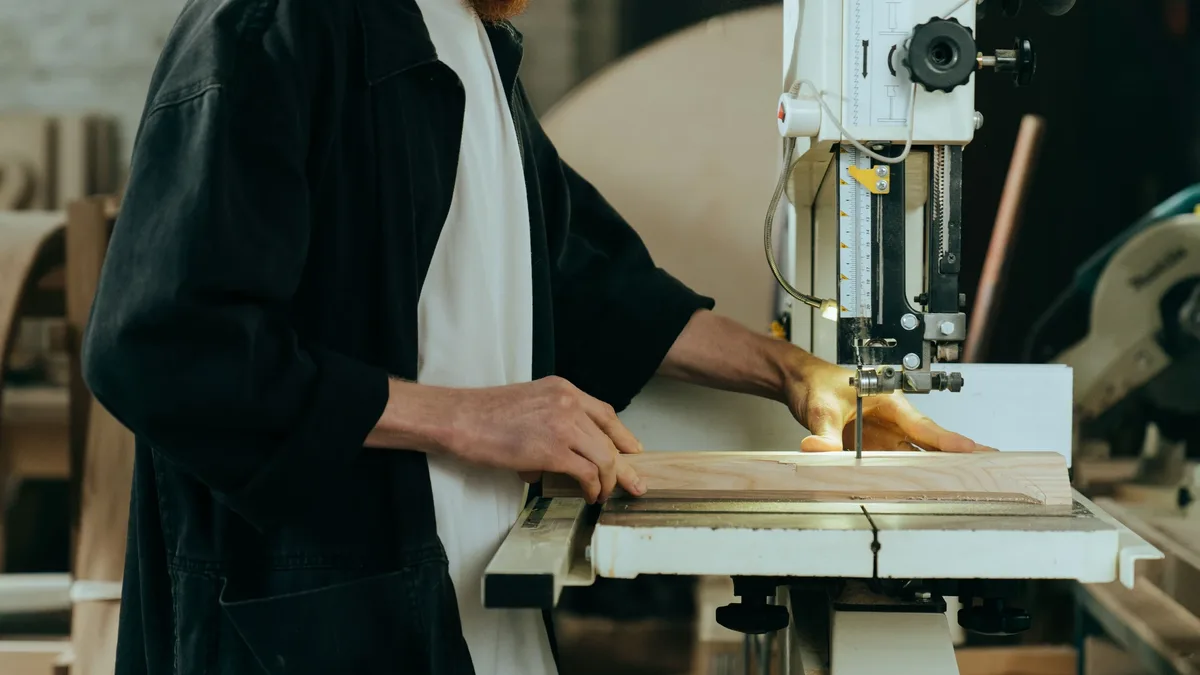
SawStop Bandsaw Leads IWF 2026 Tool Innovations
At the 2026 International Woodworking Fair, SawStop revealed a 14-inch bandsaw with Sensic safety technology. Other innovations included Brett...
David Bedrosian Discusses Dust Collection and Sliding Table Saw Versatility
Furniture maker David Bedrosian joins *Shop Talk Live* to discuss dust collection systems and the advantages of sliding table saws, sharing insights...