
Edge Banding And How It Fails
| Material | Wood veneer, PVC, or melamine |
|---|---|
| Application method | Hot-melt adhesive or pre-glued |
| Primary function | Seal and protect substrate edges |
| Common failure modes | Adhesive failure, mechanical damage, moisture ingress |
| Typical thickness | 0.5 mm to 3 mm |
| Typical width | Varies by application |
| Original use | Edge protection and aesthetic finishing for sheet goods |
Origin and history
Edge banding as a commercial process originated in Europe, specifically within the German and Austrian furniture industries, during the mid-20th century. Its development was directly tied to the post-war expansion of panel-based furniture manufacturing, which required efficient methods to finish the exposed edges of engineered substrates like particleboard and MDF. The technique evolved from earlier, manual methods of applying veneer strips using hot animal glue to the industrialization of thermoplastic adhesives and pre-finished strips. The introduction of polyvinyl chloride (PVC) and later acrylonitrile butadiene styrene (ABS) and wood veneer edge banding on rolls coincided with the invention of automatic edge banding machines in the 1960s and 1970s. This period saw the standardization of coil widths and thicknesses to match the burgeoning global market for affordable, flat-pack furniture. The systematic documentation of its common failure modes emerged from decades of field experience in cabinet shops and installation services, becoming a standard topic in trade training.
What it is for
Edge banding is a construction technique whose primary function is to seal and finish the raw, cut edges of sheet goods used in cabinetry and furniture. It provides a durable, clean surface that matches or complements the face material, protecting the core from moisture ingress which can cause swelling and disintegration. The process significantly improves the aesthetic appearance of a panel by concealing the layered or coarse composition of substrates like particleboard, creating the visual impression of a solid, thicker material. It also enhances the tactile quality of furniture, eliminating the rough, porous feel of an unfinished edge and providing a smooth surface for contact. From a construction perspective, a properly applied edge band contributes marginally to the panel's stability by binding the surface fibers of the core material. Its role is fundamentally protective and cosmetic, serving as the final seal on the joinery system that holds the cabinet box or furniture piece together.
Pros and cons
The primary advantage of edge banding is its cost-effectiveness in delivering a finished appearance for mass-produced and custom cabinetry, avoiding the far greater expense and material waste of using solid lumber panels. It allows for precise color and grain matching across large projects and enables creative uses like contrasting edges or the simulation of exotic wood species on a stable substrate. The process is highly efficient when performed with professional-grade hot-air or contact glue machines, ensuring consistent results. The significant cons stem from its reliance on a thin, applied material bonded only to the very surface of the edge; the bond line is a persistent failure point vulnerable to heat, moisture, and mechanical stress. Common regrets occur in high-moisture environments like bathrooms or kitchens near sinks, where failed adhesive allows water to wick into the core, leading to irreversible swelling. The most frequent mistake is attempting repair with incompatible consumer adhesives, which often fails to address underlying core damage and creates a messier, more noticeable fix.
Who it suits
This construction method suits large-scale furniture manufacturers and high-volume cabinet shops where speed, material consistency, and cost control are paramount for producing durable goods for dry, interior environments. It is appropriate for budget-conscious residential projects using laminate or thermofoil doors where the edge banding is integral to the door's factory finish. The technique suits designers and makers who prioritize a vast selection of decorative surfaces over the material integrity of solid wood, especially for modern, flat-panel designs. It is less suited to heirloom furniture construction, any piece destined for high-humidity or outdoor use, or applications where edges will sustain frequent impact or abrasion from heavy objects. Individuals seeking ultra-low-maintenance furniture may regret its use in favor of molded or solid material edges, as even successful edge banding can eventually require careful re-adhesion of lifting sections.
Latest Edge Banding And How It Fails news
Latest reporting

Essential Router Bits for Furniture Construction
A woodworker details the eight router bits most frequently used in a furniture shop for joinery, profiling, and edge work, emphasizing quality over...
Muraspec Launches Gilded Edge Wallcovering Collection
Muraspec Wallcoverings has launched Gilded Edge, a new premium wallcovering collection featuring four designs printed on metallic foil surfaces.
Kreg Edge 20V Loose Tenon Joiner Launches
Kreg Tool has introduced the Edge, a cordless loose tenon joiner, as direct competition to the Festool Domino.
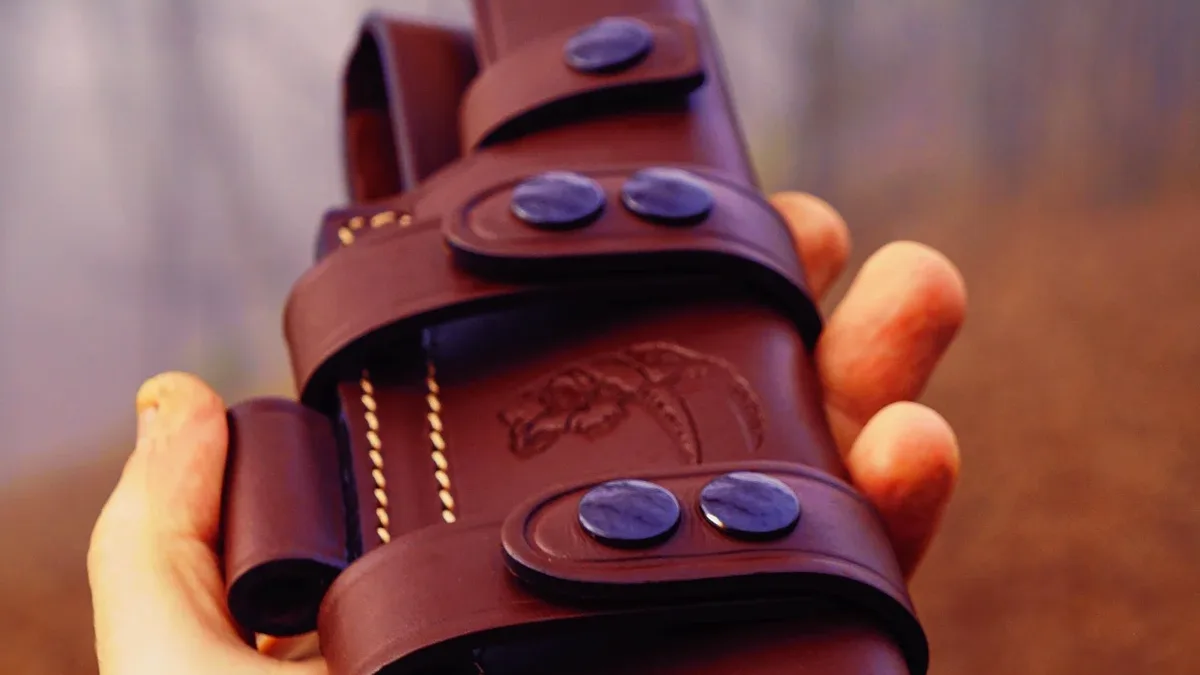
Leather Scabbard: Trimming and Riveting
A guide on finishing a custom leather tool scabbard, covering edge trimming, hole punching, and setting solid copper rivets for permanent...
Rob Porcaro's Edge Joint Techniques
Woodworker Rob Porcaro details his hand-planing methods for creating perfect edge-to-edge joints, emphasizing accuracy, tool selection, and glue-up
Sharpening Sloyd Knives: A Guide to Effective Edge Maintenance
Nic Westermann explores the methods for sharpening sloyd knives, focusing on the importance of establishing the optimum bevel profile and avoiding...