Sharpening Sloyd Knives: A Guide to Effective Edge Maintenance
Nic Westermann explores the methods for sharpening sloyd knives, focusing on the importance of establishing the optimum bevel profile and avoiding rounded bevels.

Sloyd knives, originating from the Swedish term 'slöjd', meaning craft, are larger, slimmer carving blades used in green woodwork. These blades feature the Scandinavian grind-flat bevels, which excel at planing cuts but may not perform well in all cutting tasks.
Establishing the Optimum Bevel Profile
To sharpen sloyd knives effectively, it is essential to establish the optimum bevel profile. The included angle of the flat bevel should be around 25°. This can be measured for reference, but an empirical approach is often more practical. If the edge is not holding or is frequently damaged, the bevel angle may need to be steepened. Conversely, if the blade is not cutting as easily as desired, a finer angle may be worth considering.
Avoiding Rounded Bevels
Rounded bevels are undesirable due to several reasons. They provide inadequate support during the cut, make it challenging to measure the edge angle, and can lead to a more obtuse bevel angle than intended. When sharpening a flat bevel on a flat surface, every stroke hits the entire width of the bevel, including the edge. In contrast, sharpening a rounded bevel is a lottery, and it can make the process long and drawn out.
Flattening a Bevel
If a bevel needs to be flattened, a coarse stone is ideal for this task. Diamond stones are particularly effective, but water stones, oil stones, and abrasive paper on a backing pad can also be used. It is crucial to ensure the stone is flat, as a dished stone can form a convex bevel, making it impossible to achieve a truly flat bevel.
Refining the Edge
The second part of the sharpening process involves refining the edge. If the bevels have been set well, this should be a relatively easy process. With a flat bevel, smaller jumps in grit sizes are necessary to avoid leaving scratch marks from the coarser grits. In contrast, hollow ground blades can often jump straight to a finishing grit, around 5-8,000, with no intermediate stages.
Stropping: A Necessary Evil?
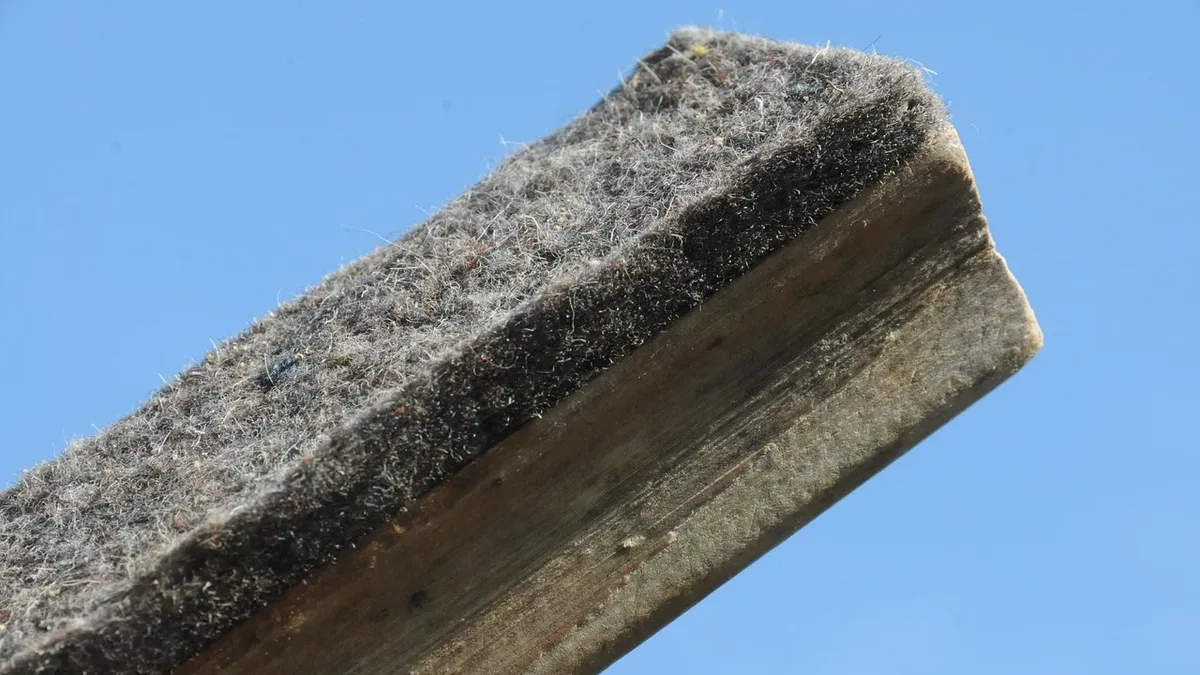
Stropping using a fine polishing compound on leather or suede is a simple process. However, it is a subject that causes debate among woodworkers. While stropping can be used as a final finish after using stones or abrasives, or as a means to touch up a dull blade, it is not a substitute for proper sharpening. A fine compound can actually cut steel, but the amount removed is negligible. Stropping can introduce a micro-bevel, which can lead to a destabilizing effect and a loss of bevel support.
Best Practices for Sharpening Sloyd Knives
To sharpen sloyd knives effectively, it is essential to:
- Establish the optimum bevel profile
- Avoid rounded bevels
- Use a coarse stone to flatten a bevel
- Refine the edge using smaller jumps in grit sizes
- Avoid stropping as a substitute for proper sharpening
By following these best practices, woodworkers can achieve a sharp, well-maintained edge on their sloyd knives, making them more effective and efficient tools for green woodwork.
| Bevel Angle | Included Angle |
|---|---|
| Flat bevel | 25° |
| Rounded bevel | variable |
| Grit Size | Suitable for |
|---|---|
| 300 | Flattening a rounded bevel |
| 2-3000 | Maintaining a hollow grind |
| 5-8,000 | Finishing a hollow ground blade |
| Stone Type | Suitable for |
|---|---|
| Diamond stone | Flattening a bevel |
| Water stone | Flattening a bevel |
| Oil stone | Flattening a bevel |
| Abrasive paper | Flattening a bevel |