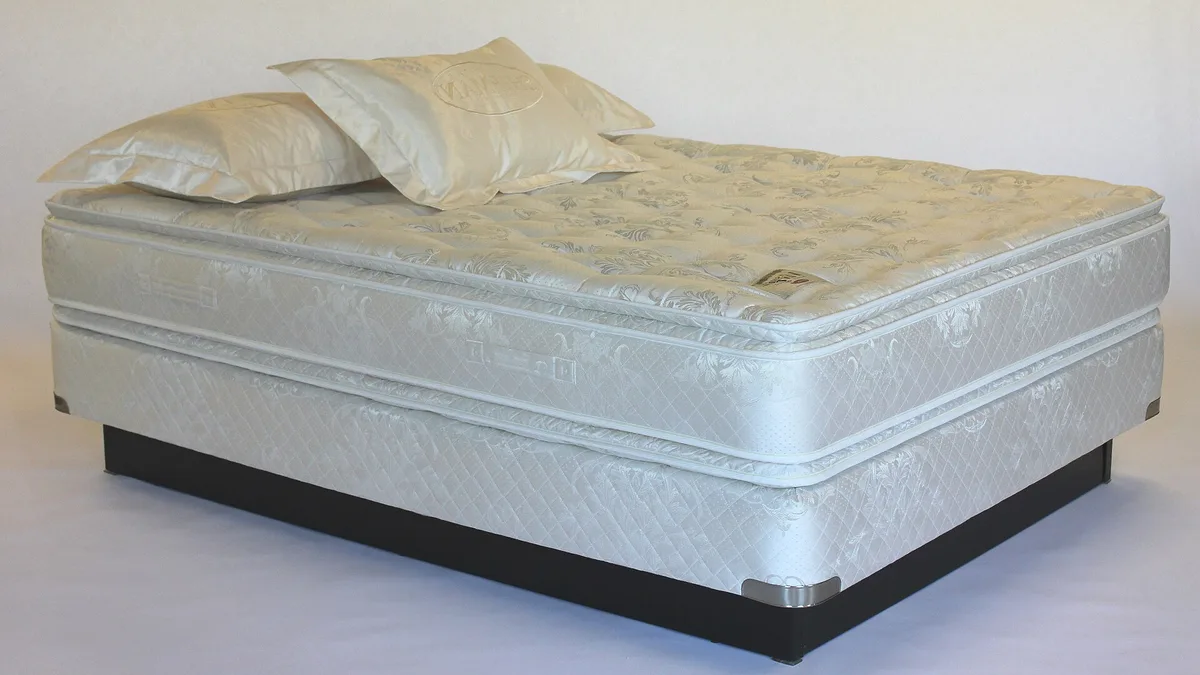
Mattress Construction And Support Systems
Origin and history
The systematic construction of mattresses and their support systems evolved from rudimentary padded surfaces to engineered sleep sets in the late 19th and early 20th centuries, primarily in industrialized nations like the United States and Germany. This period saw the transition from hand-stuffed mattresses to the invention of the box spring in the late 1800s, which provided a dedicated, resilient support base. The development of innerspring coil units in the 1870s, notably by Heinrich Westphal in Germany, necessitated a more robust support system to prevent sagging and protect the mattress structure. The subsequent mass production of metal bed frames and foundations standardized the concept of a integrated sleep system, moving away from simple rope or slat-supported beds. The mid-20th century introduced new materials like polyurethane foam and latex, which further diversified construction methods and support requirements. This historical progression established mattress construction and support systems as a distinct field of product engineering focused on durability, hygiene, and biomechanical support.
What it is for
Mattress construction and support systems exist to create a stable, flat, and ventilated platform that properly bears the weight of both the sleeper and the mattress itself. The primary function is to prevent the mattress from sagging or deforming, which preserves the intended sleep surface and the integrity of its internal materials over time. A correctly matched support system, such as a foundation or adjustable base, ensures that the mattress's comfort layers and core support layers can function as designed by the manufacturer. It also plays a critical role in maintaining spinal alignment by providing an even counter-pressure to the body's weight, preventing the hips and shoulders from sinking into a non-supportive void. Furthermore, the system elevates the sleep surface for practical access and provides essential airflow beneath the mattress to mitigate moisture buildup and mold growth. Ultimately, its purpose is to extend the usable lifespan of the mattress investment and deliver the consistent performance promised by its construction.
Pros and cons
A primary advantage of a properly matched system is the full realization of the mattress's warranty, as most manufacturers explicitly require a specific type of supportive base to maintain coverage. This combination significantly reduces premature sagging and body impressions, directly extending the mattress's functional lifespan and protecting the consumer's investment. Conversely, the most common mistake is placing a modern mattress, particularly one with foam or hybrid construction, on an old, worn-out box spring or a bed frame with widely spaced slats, which leads to immediate voiding of warranties and accelerated breakdown. Individuals who prioritize aesthetics over structure often regret choosing ornate bed frames with inadequate center support or flexible slats, as these can cause noticeable dip and motion transfer. Another genuine drawback is the added cost and complexity, as a high-quality foundation or adjustable base represents a separate, sometimes substantial, purchase beyond the mattress itself. Furthermore, mismatched systems can create uncomfortable firmness variations, where a too-soft support makes a firm mattress feel mushy, while an overly rigid base can cause pressure points on a plush model.
Who it suits
This approach suits meticulous consumers who view a mattress purchase as a long-term investment and are willing to research and acquire the manufacturer-recommended support to ensure durability. It is essential for owners of high-end or specialty mattresses, such as those made with natural latex or dense memory foam, which are particularly susceptible to damage from improper support. Individuals with chronic back pain or specific orthopedic needs benefit greatly, as a stable, even foundation is non-negotiable for maintaining consistent spinal alignment throughout the night. The construction-focused methodology is ideal for people living in humid climates, where a ventilated support base is crucial for preventing mattress mildew and degradation. It also suits those with heavier body weights, who require a robust support system, often with additional center legs or reinforced slats, to prevent frame flex and mattress failure. Finally, it is a necessary consideration for users of adjustable bed bases, where the mattress construction must be explicitly compatible with flexion to avoid damaging internal materials like coils or foam.
Latest Mattress Construction And Support Systems news
Latest reporting

Shaker Side Table Project Tests Joinery Skills
A woodworking magazine revisits a classic Shaker side table project, detailing the construction process with a focus on multiple joinery techniques

Essential Router Bits for Furniture Construction
A woodworker details the eight router bits most frequently used in a furniture shop for joinery, profiling, and edge work, emphasizing quality over...
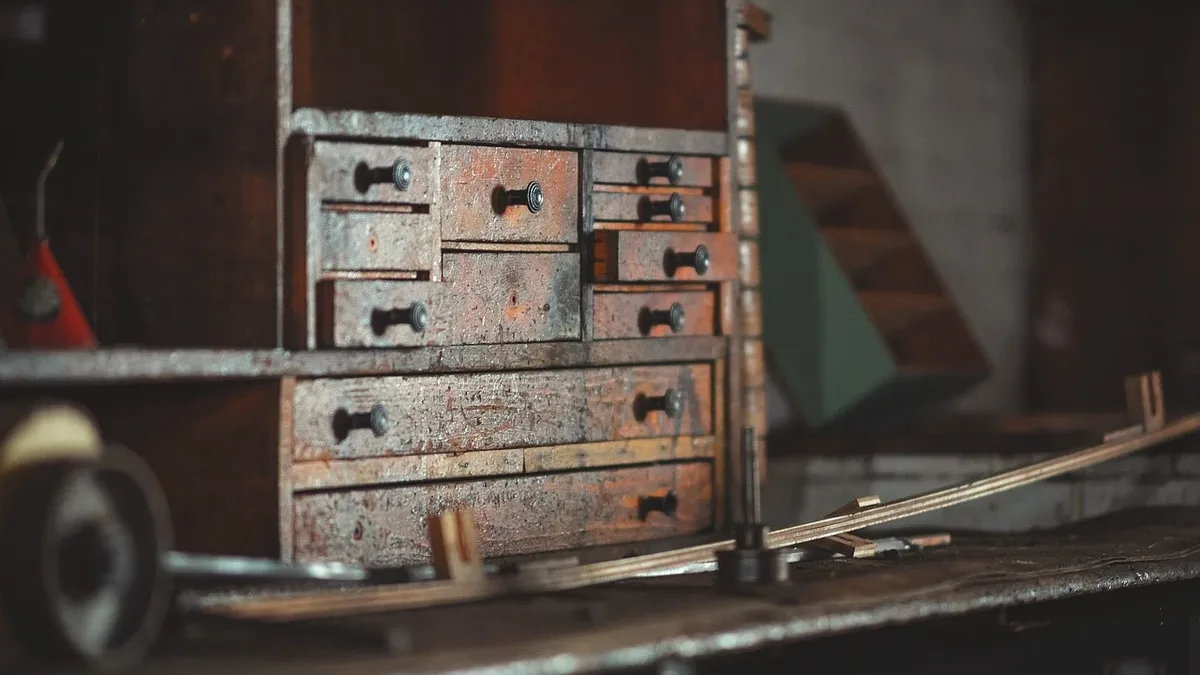
Peter Follansbee Details 17th-Century Drawer Joinery
Woodworker Peter Follansbee outlines the mixed joinery and construction techniques for side-hung drawers in a 17th-century-style cupboard, based on...

Dutch Tool Chest Builds Faster Than Traditional Floor Chest
A woodworker details the construction of a Dutch-style traveling tool chest, which requires far less time and material than a full-size English chest.
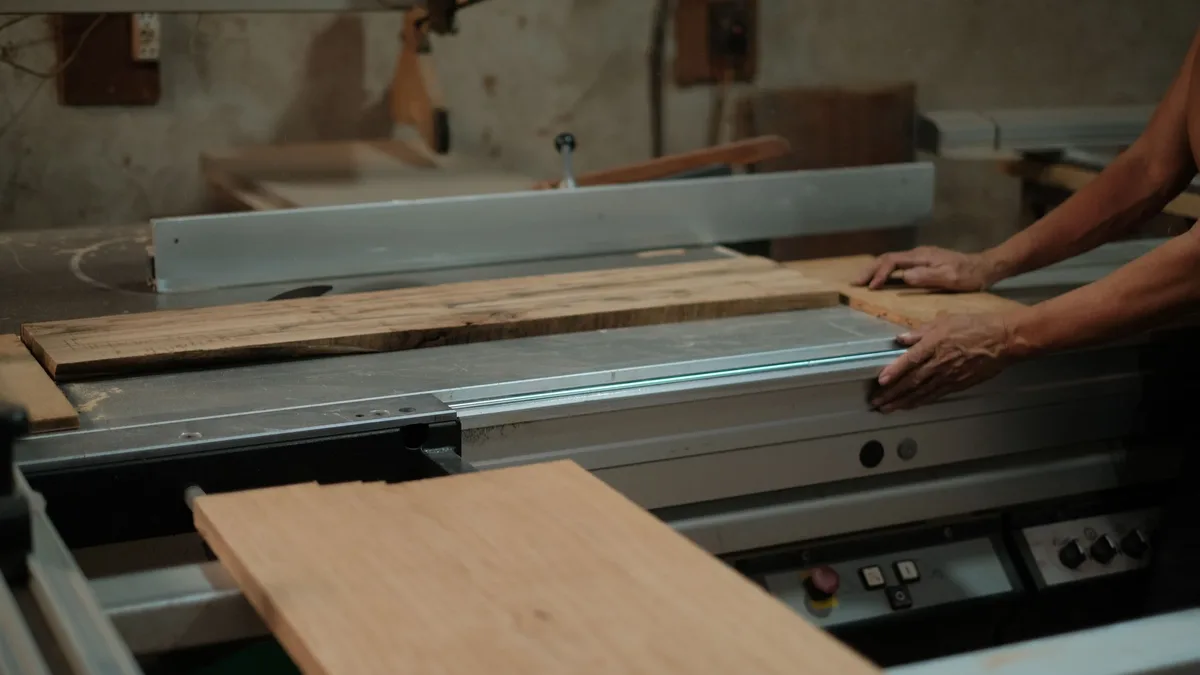
Paul Sellers Builds Final Workshop with Focus
Woodworker Paul Sellers details the insulated, sound-dampening construction of his new and likely final workshop, designed for simultaneous filming...
Versatile Finger-Joint Cabinet Project
A woodworker details the construction of a versatile finger-joint wall cabinet, built initially for tea storage but repurposed as a whiskey cabinet.