Hand-carved Celtic Knot Pendant
A step-by-step guide to creating a unique hand-carved Celtic knot pendant using wood and traditional woodworking techniques.

A unique and intricate hand-carved Celtic knot pendant has been created by a skilled woodworker. The pendant is designed to be worn high on the body and is made from a single piece of yew wood (Taxus baccata). The yew wood was chosen for its beautiful colour and historical significance, as it was revered by the ancient Celts and Druids.
The pendant is carved to fit the natural curve of the breastbone, making it a comfortable and eye-catching piece of jewellery. The Celtic knotwork design is intricate and complex, requiring great skill and patience to carve. The woodworker has used a combination of traditional woodworking techniques, including bandsawing, block planing, and scrollsawing, to create the pendant.
Rough-shaping the Pendant
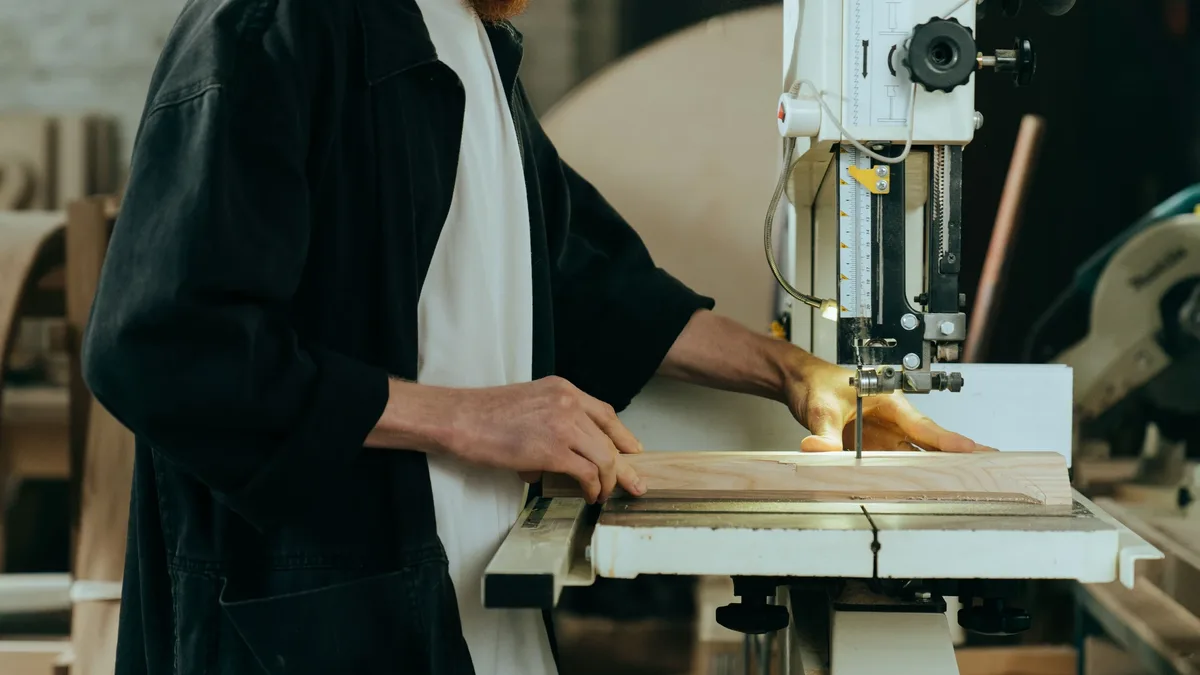
The process of creating the pendant begins with rough-shaping the yew wood block. The woodworker uses a bandsaw to create a curved front face, which is then cleaned up with a block plane and abrasive paper. The goal is to achieve a smooth, fair curve with a consistent thickness of 13mm in the middle and 6mm at the ends.
Drawing and Carving the Knotwork
The next step is to draw the Celtic knotwork design onto the wood, using a straight knife to cut 1/16in deep lines at each intersection. The woodworker then clears a small amount of material to begin with, marking each intersection clearly. The goal is to ensure that the knotwork flows smoothly and that the intersections are tidy.
The woodworker then gently curves each section between intersections, using a small bit of material to create a softer and more touchable look. This process requires great care and attention to grain direction, as it is easy to split the wood.
Chamfering and Cleaning Up
Once the knotwork is complete, the woodworker takes a gentle chamfer off the front edges, using a small bit of material to soften the knot and make it less mechanical. The goal is to achieve a consistent level throughout the carving, with no jaggy bits or noticeable chips.
The woodworker then uses a gentle sanding with 150 grit cloth-backed abrasive to smooth out any variations and make the knot appear soft. This process requires great care, as it is easy to round over the strands and make them look like shoelaces.
The Rear Face
The final step is to create the rear face of the pendant, using a combination of chisels, gouges, bent knives, and spokeshaves. The woodworker aims for a consistent and fair curve across the entire carving, maintaining a thickness of 6mm throughout.
Finishing Touches
The final step is to insert a small eye pin or eye screw into the pendant, using a fish hook eye pin. The woodworker carefully draws out lines on both ends of the piece to guide the pin, and then drills a small hole using a 1.5mm bit. The pin is then fastened firmly in place using cyanoacrylate glue.
The pendant is then finished with a few coats of oil, which provides a smooth and even finish without clogging up the intersections.
| Material | Size |
|---|---|
| Yew wood | 150mm x 75mm x 13mm |
| Eye pin | 1.5mm |
This unique and intricate hand-carved Celtic knot pendant is a testament to the skill and patience of the woodworker who created it. The pendant is a beautiful example of traditional woodworking techniques and is sure to be a conversation starter.