Walter Hall's kitless Ebonite rollerball pen
Woodturner Walter Hall details making a simple kitless rollerball pen using affordable tools and Ebonite, demystifying the process.
Woodturner Walter Hall demonstrates making a kitless rollerball pen using common tools and Ebonite. The project, for Woodworkers Institute, shows creating pens without commercial kits is accessible.
Hall's previous kitless fountain pen used aluminum and costly imported taps and dies. This rollerball version uses a more forgiving material and taps and dies from a cheap set, sold in discount stores. It aims to disprove that kitless pen making is a complex "dark art" for the wealthy and highly skilled.
Materials and Construction
The pen's body components are made on the lathe from Ebonite rods. Ebonite is a hard, natural rubber-based material used for bowling balls, vintage pens, and pipe stems. Hall used a clip from a Taylors Mirfield Omega pen kit, a spring from his spares, and a rollerball refill from Beaufort Ink.
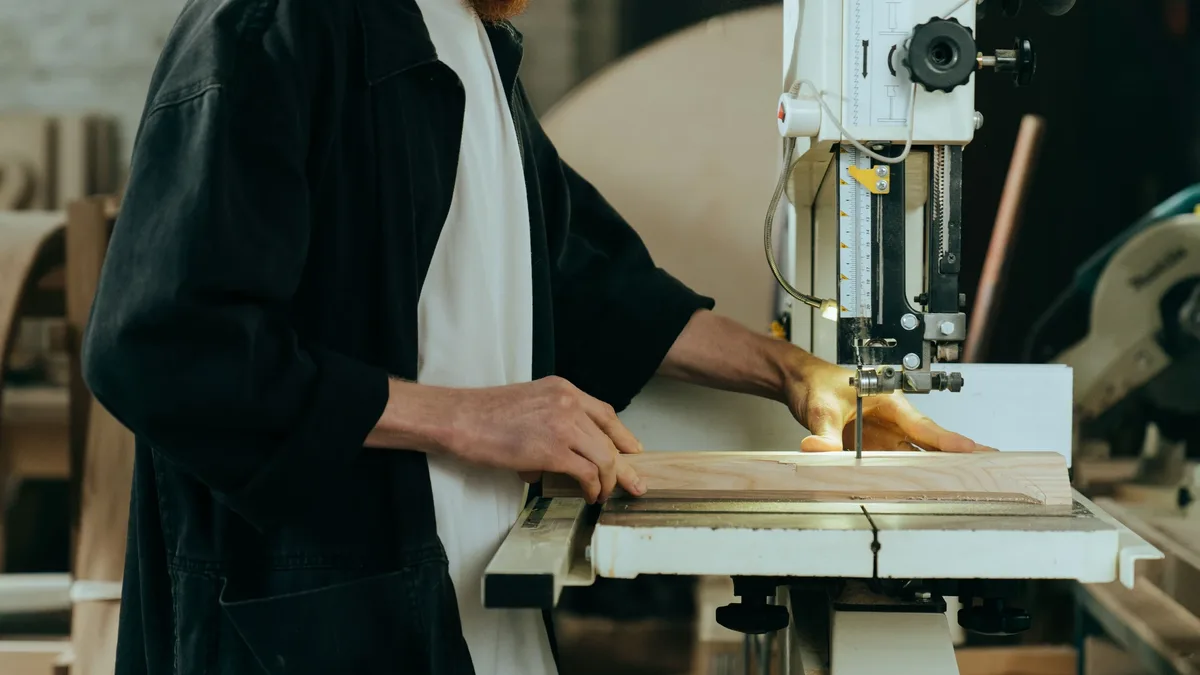
Key equipment included standard turning tools like a spindle gouge or skew chisel and a thin parting tool. For holding workpieces, engineers jaws, pen blank jaws, or pin jaws were suitable. A critical addition was a drill chuck tapping attachment from RDG Tools, suggested by reader Geoffrey Laycock. This device mounts in the lathe's headstock and ensures accurate alignment when cutting threads.
Practical Tips for Working Ebonite
Hall provides tips for handling Ebonite, which is abrasive and heat-sensitive. The material blunts tools quickly, requiring frequent sharpening. Tungsten carbide tipped tools are a good option but must also be kept sharp.
Overheating is a major concern. Light cuts when turning and slow speeds for drilling and sanding are essential. This also reduces the smell of burning rubber. Ebonite does not require an applied finish. It can be polished to a high gloss using compounds like tripoli and white diamond. A light touch is needed to avoid friction heat, which can damage the surface and prevent a good shine.
Process and Threading
The process involves turning the Ebonite rods to shape on an adjustable pen mandrel with a cone bushing. After shaping, components are threaded. Hall used an M10 x 1.25 die for the main body threads. Drilling required 3mm, 4.8mm, and 6.5mm drill bits. A 6mm BSP thread and nuts were also used.
Polishing is the final step. Careful polishing with standard burnishing creams or plastic polishes produces a glossy finish without additional coating. The project relies on basic workshop skills and patience.
Hall credits readers who responded to a previous request for suggestions on holding taps accurately. Their ideas led him to the RDG Tools attachment for this accessible project.