Fine Woodworking Discusses Moonwood and Kitchen Finishes
Fine Woodworking's podcast addresses a listener's query about timber harvested by the lunar cycle and provides advice on finishing walnut for kitchen

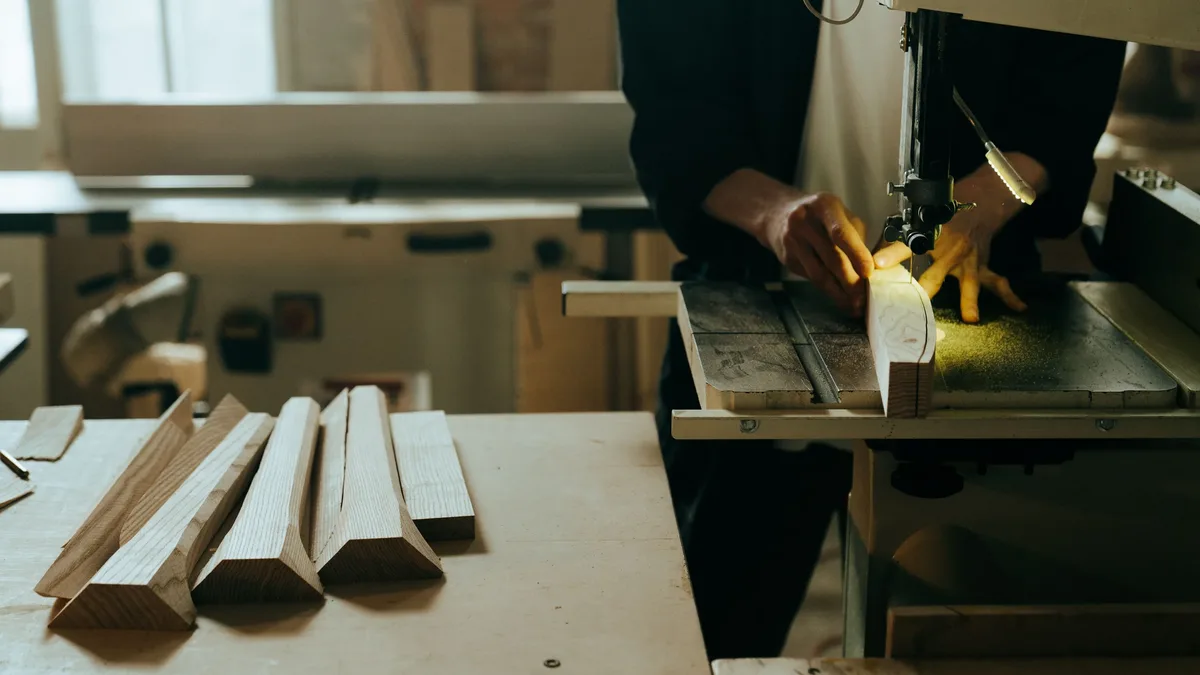
The latest episode of Fine Woodworking's Shop Talk Live podcast fielded a question about the practice of harvesting timber according to the moon's phases. The panel also tackled a practical issue concerning wood finishes for kitchenware.
A listener named Eric Mickelson wrote in after a trip to Austria. There, a tour guide told him about a hardwood dealer specializing in instrument wood. This dealer reportedly harvests wood only during a full moon. Mickelson had never encountered this concept before and asked the Fine Woodworking staff for their insight.
The Tradition of Moonwood
The practice, often called "moonwood" or "moon timber," has historical roots in forestry traditions. The panel cited several sources on the topic. These include a 1999 academic text on lunar rhythms in forestry and a 2016 historical survey of Estonian woodworking. A 2026 review paper in the International Forestry Review was also mentioned, which examines cultural beliefs and scientific skepticism around the moon's effect on wood.
The core belief is that wood cut during specific lunar phases, particularly a waning moon, possesses superior qualities. Proponents claim it is more durable, less prone to rot, and has better working properties. The Fine Woodworking discussion noted this is a longstanding cultural tradition in various parts of the world, not only a modern curiosity.
A Practical Woodworking Dilemma
Another listener, Matt Wilson, presented a more hands-on problem. He had made mahogany trivets years ago, finished only with shellac, which aged well with daily use. Now, he wants to make a wedding gift of trivets using basswood and walnut for contrast. He is concerned the walnut will turn an unattractive grey and develop raised, splinter-like grain from heat and moisture exposure.
Wilson asked the panel if there is a good way to use walnut for this purpose or a protective finish that could help. He humorously wondered if giving cash would be a better option. The podcast hosts engaged with this common finishing challenge for items subjected to high heat.
Finishes for Kitchen Utensils
The discussion turned to wood finishes suitable for kitchen utensils and items like trivets. The panel acknowledged the difficulty, as most film-forming finishes can degrade, crack, or become sticky under repeated heat exposure. Shellac, which Wilson used on his original trivets, is a traditional choice but has limitations with heat and moisture.
The conversation explored the balance between protection and practicality. For a walnut trivet, preventing the grey oxidation would typically require a finish that blocks ultraviolet light and moisture. However, such finishes might not withstand direct heat from pots and pans. The panel's advice centered on managing expectations and selecting a finish that aligns with the item's intended use and desired aesthetic over time.
Other Podcast Topics
The episode also covered other news from the woodworking world. The hosts discussed their experiences at the recent Handworks 2026 event. One highlighted acquisition was a Lee Valley Round Spokeshave, a tool based on a historic design by Edward Preston & Sons, Ltd.
The panel promoted the upcoming Woodworking in America conference and reminded listeners that the magazine's 325th issue is now available. They recommended two books: The Why and How of Woodworking by Michael Pekovich and Hanging Tree Guitars by Freeman Vines with Zoe van Buren.
Listeners can submit their own questions to the podcast for future episodes. The show relies on listener support through ratings and comments.