Optimizing Your Workshop with Dedicated Workstations
Instrument maker Aaron Keim shares his approach to organizing a workshop into dedicated workstations, which has improved his productivity and skill mastery.

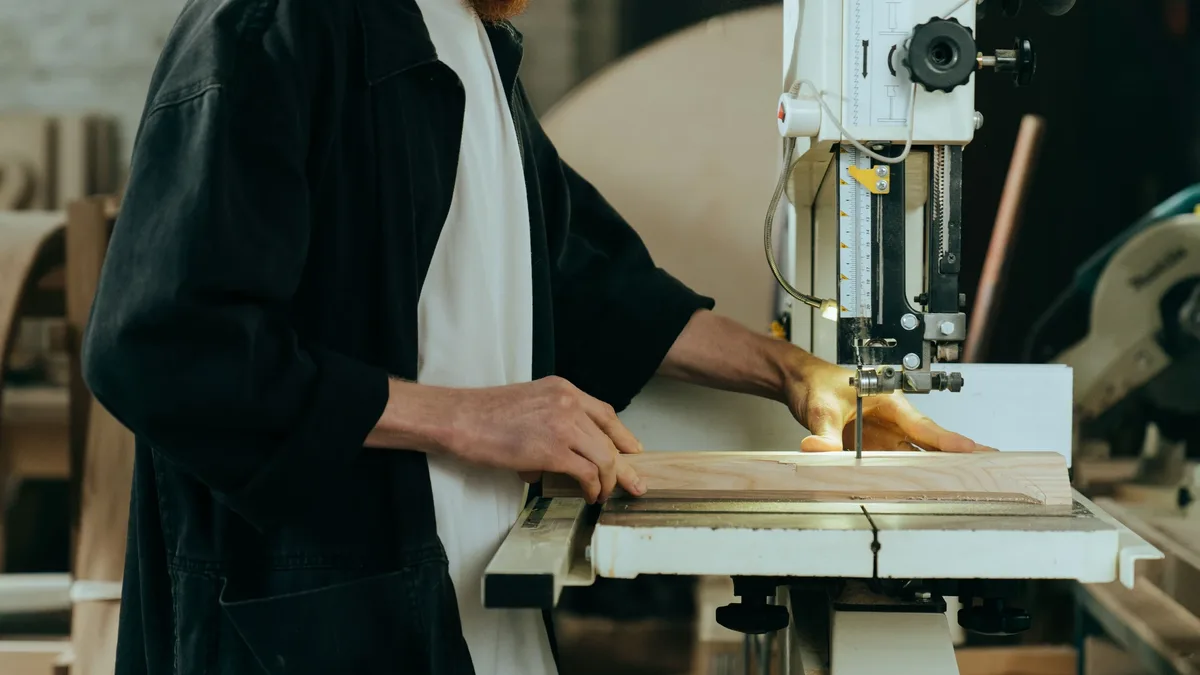
In the world of woodworking, having a well-organized workshop is crucial for productivity and skill mastery. Instrument maker Aaron Keim shares his approach to organizing a workshop into dedicated workstations, which has allowed him to produce over 50 custom instruments a year. ### Sharpening Station Keim emphasizes the importance of quick and easy access to sharpening tools. He recommends a small cabinet or a tray that can hold sharpening stones, a light, oil or water, paper towels, and other sharpening accessories. This setup allows for easy access and collects lubricants and mess. For smaller shops, consider keeping the sharpening station on a shelf under the bench or on a tray that can slide on a shelf. ### Glue-Up Station Keim prefers to glue his work on a separate bench from his main woodworking bench. He keeps clamps hanging from the wall or rafters near the glue-up station, which is ideal for working with veneer and laminations. To protect his benches from mess, he uses 3-ft by 3-ft pieces of melamine to place under the glue-ups. For smaller shops, consider setting a plank over sawhorses for glue-ups or adjusting the height of the glue bench to accommodate casework or chairs. ### Rough Work Station For rough work, Keim keeps tools such as chainsaws, chop saws, wedges, and froes in his woodshed. He stores the tools for sharpening and working on his chainsaw in one kit, next to the saw. For smaller shops, consider storing rough work tools in a separate area or using a staging area near the shop door. ### Sanding and Routing Station Keim uses a series of routers in his work, especially for cutting channels for decorative binding and inlay. He keeps all the routers with dedicated bits and settings, reducing the time spent on setup. To collect chips and dust, he works over an inexpensive downdraft table connected to the dust collector. This dedicated station saves him time and keeps the shop cleaner. ### Metalworking Station Keim also works with brass, bone, and plastic, which he keeps separate from the woodshop. He has a 10-ft by 10-ft add-on to the shop for metalworking, including a torch for brazing, metalworking tools, grinders, and a sharpening station. For smaller shops, consider relegating metalworking to a corner far from the main bench. ### Clean Room Keim uses the front room of his shop for final work on musical instruments, repairs, and restorations. He also meets with clients, writes, and does administrative tasks in this room. Keeping the clean room separate from the woodshop helps maintain a cleaner environment. For smaller shops, consider adding a lean-to or using a spare room inside the house. ### Digital Space A portion of Keim's workday is dedicated to the digital world, including Zoom calls, interviews, live streams, podcasts, photos, and videos. He uses a bench in the clean room as a backdrop or studio for this work, with appropriate lighting and a stand for his phone. ### Other Specialty Stations Keim has dedicated stations for specific tasks, such as a "go-bar" deck for glueing jobs and a bench for holding this deck, as well as a series of chisels, saws, a plane, a bench hook, and a glue bottle. These dedicated workstations save him time by reducing setup and teardown, and keeping his main bench free for more projects.