Saving Split Slabs: A Creative Solution
A woodworker shares their experience of salvaging a split slab and turning it into a unique piece of furniture.
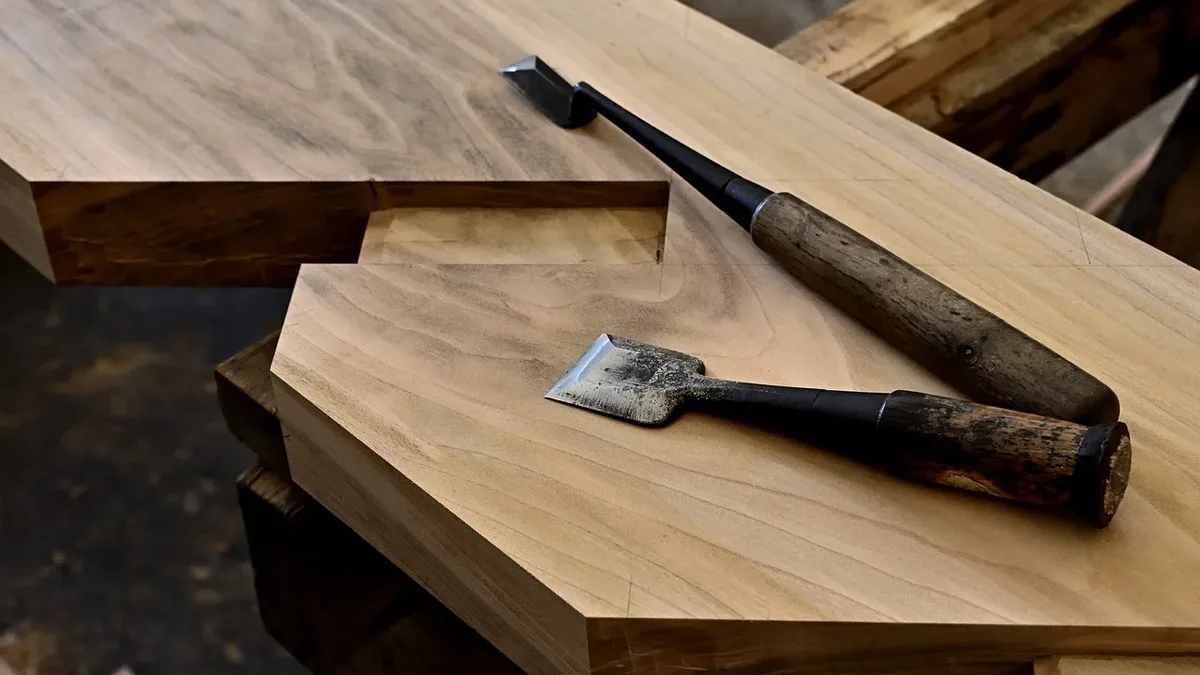
A split slab can be a frustrating find, but one woodworker has turned their misfortune into a beautiful piece of furniture. The woodworker, who initially salvaged the slab from a garage, had been storing it for years. After deciding to create a new project, they set out to repair the slab and turn it into a functional piece of furniture. The slab, made from red oak, had been split due to the natural shrinkage of the wood as it dried. This is a common issue with wood, especially when it comes to flatsawn lumber. The woodworker notes that short of chemical treatment, it's difficult to prevent wood from splitting. However, with some creativity and patience, it's possible to repair and restore the slab. To fill the cracks in the slab, the woodworker used leftover shop-cut veneers. They carefully selected the veneers to match the grain direction and slid them into the cracks, forming them to the shape of the slab. The ends of the veneers were an issue, as they left triangular holes where they stopped. To address this, the woodworker cut tapered veneer from quartered brown oak, which was wide enough to cover the length of the crack. The woodworker then crosscut the veneers and slid them into the crack, carefully choosing the insert points to ensure a seamless fit. They used liquid hide glue to secure the veneers, which provided a strong bond and helped to fill the gaps. Once the glue was dry, the woodworker sanded the surface to a smooth finish and planed everything flush. The final result is a unique and beautiful piece of furniture, which the woodworker has dubbed the "Family Tree." The piece features a live edge and a natural, rustic look, with 58 visible rings that tell the story of the tree's growth. The woodworker has added a personal touch to the piece by inserting a brass pin into each annular ring, marking the birthdays of their sister, her husband, and their son. The "Family Tree" is a testament to the creativity and resourcefulness of the woodworker, who has turned a split slab into a truly special piece of furniture. It's a reminder that even the most challenging projects can be overcome with patience, persistence, and a little bit of creativity. ## Repairing Split Slabs: A Step-by-Step Guide Repairing a split slab requires patience and creativity, but with the right techniques and materials, it's possible to restore the slab to its former glory. Here are some steps to follow: * Select the right materials: Choose veneers that match the grain direction and are wide enough to cover the length of the crack.
- Cut the veneers: Crosscut the veneers and slide them into the crack, carefully choosing the insert points to ensure a seamless fit.
- Use the right adhesive: Liquid hide glue provides a strong bond and helps to fill the gaps.
- Sand and plane: Once the glue is dry, sand the surface to a smooth finish and plane everything flush. ## The Benefits of Salvaging Split Slabs Salvaging split slabs can be a cost-effective and environmentally friendly way to create unique pieces of furniture. By repurposing existing materials, woodworkers can reduce waste and create one-of-a-kind pieces that tell a story. The "Family Tree" is a perfect example of this, with its live edge and natural, rustic look. ## Conclusion Repairing a split slab requires creativity and patience, but with the right techniques and materials, it's possible to restore the slab to its former glory. The "Family Tree" is a testament to the power of woodworking and the importance of salvaging and repurposing existing materials. Whether you're a seasoned woodworker or just starting out, this project is a great reminder of the possibilities that exist when we think outside the box and get creative with our materials.