Static Disc and Belt Sanders Explained for Woodworkers
A woodworking guide details the uses, maintenance, and safety for stationary disc and belt sanders, emphasizing their role in shaping and truing wood after

Woodworkers need grit and determination when using a static sander, according to a guide from the Woodworkers Institute. After sawing and planing, joint cutting and shaping is made easier with a stationary disc or belt sander.
A disc sander can cut and sand shapes quickly, especially with a coarse 80-grit disc. It works well on curves and bevels. A belt sander is slower for long grain edges but excels at truing and flattening surfaces before using an orbital sander. Its front nose is excellent for concave shapes.
Static Disc Sanders
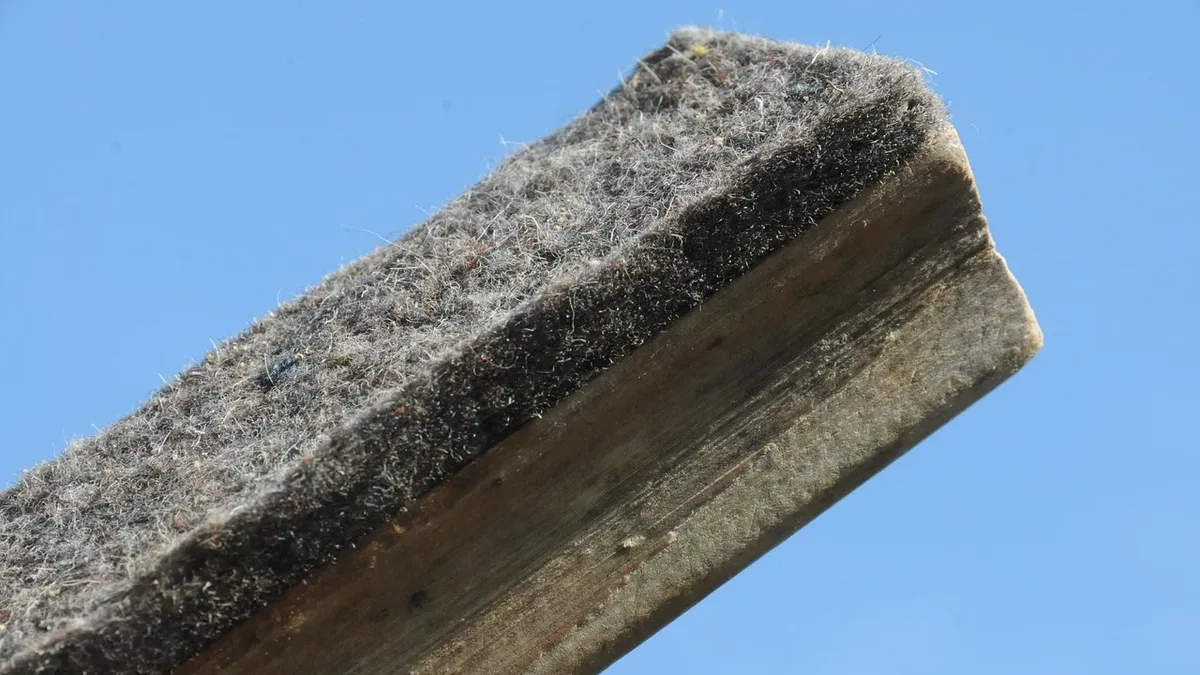
Extending a sanding disc's life involves bandsawing away most waste first. This leaves less material to sand. A special soft rubber block or a piece of garden hose can clean a clogged disc while it runs. A clogged disc leads to slow, uneven sanding and can burn workpiece surfaces. Regular cleaning is key.
Modern disc sanders have a metal cover on the upward side, usually the right. This prevents workpieces from being thrown. Older machines lack this cover, allowing more complex shapes to sit closer to the disc. Fixed static belt sanders are often combined with a disc sander in one machine, which may be smaller than a standalone disc unit.
Static Belt Sanders
A belt sander provides different sanding options and typically includes fences alongside and across the sanding bed. These keep the workpiece perpendicular and enhance safety. Belts and discs are 'open coat,' meaning they clog less than hand-applied abrasives. A coarser grit like 80 works best, as the machine's speed cancels out some scratch marks. For small objects, 120 grit is better.
Belts are easily replaced via a spring tension mechanism. Discs are harder to change because the sanding table restricts access. Swinging the table down often increases the gap in front of the disc.
The guide outlines two disc mounting options. Their characteristics are compared in the table below.
Personal Safety
Sanders can be aggressive unexpectedly. The institute advises holding small objects firmly in a device or jig to keep fingers away from the abrasive.
Extraction is essential because sanding produces fine, dangerous dust particles. Workers should ensure extraction works well and consider making a hood to partially enclose the sander. A good quality FFP2 category dust mask or a powered respirator is mandatory.