Boxwood: A Dense Timber for Fine Woodworking
Boxwood, from the buxus sempervirens tree, is a dense, creamy-colored timber prized for small-scale uses like engraving and instrument making.
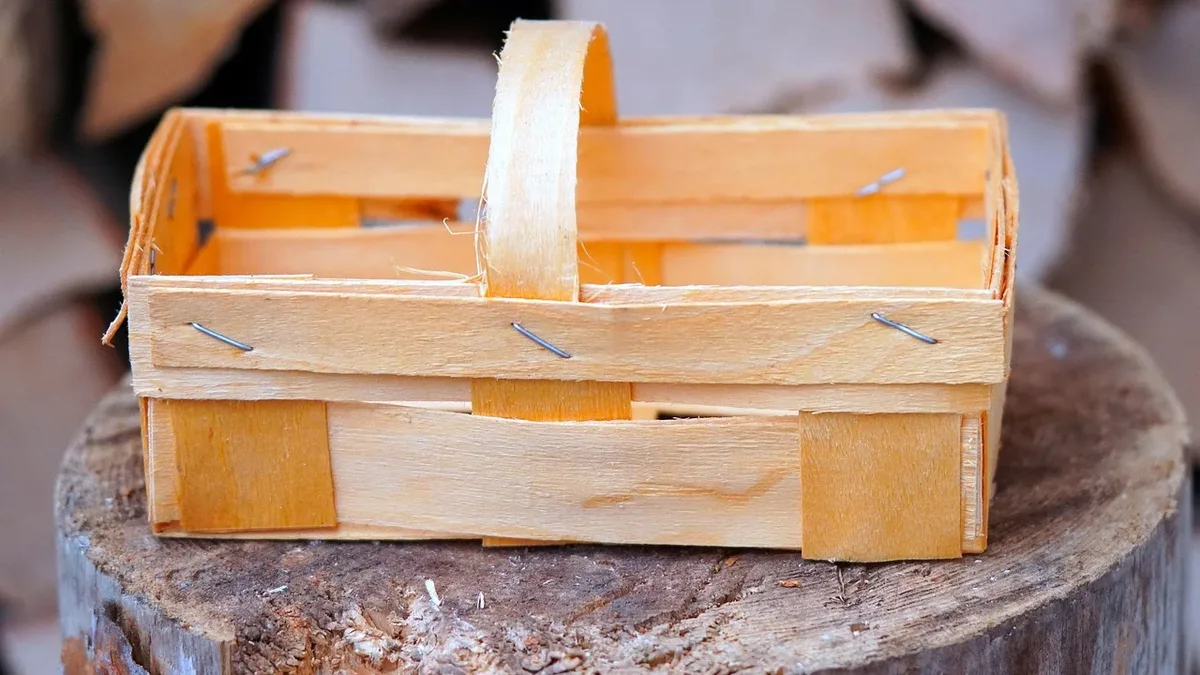
Boxwood is a prized timber for fine woodworking. It comes from the common box tree (buxus sempervirens). This dense, hard material is typically available only in small-diameter logs. According to a Woodworkers Institute report, the creamy wood with faint darker streaks is valued for specialized work despite its size.
The Tree and Its Timber
Common box is a compact tree. It can grow up to 12 meters high. Usable timber usually comes from branches, resulting in small logs. The wood is very dense. It is the heaviest native timber in the UK and will not float. All parts of the living tree are toxic. They can cause skin irritation or stomach upset if ingested.
Historical and Typical Uses
Historically, boxwood has been favored for precise applications. It was used for wood engraving and printer's type. The timber has often served as stringing on antique furniture edges. Other typical uses include violin pegs, woodwind instruments, scale rulers, and chess pieces. For chess, natural wood was used for white pieces. Dyed boxwood served as a substitute for ebony for the black pieces. It has also been used for dirk and dagger handles and for bagpipes.
Working Characteristics and Conversion
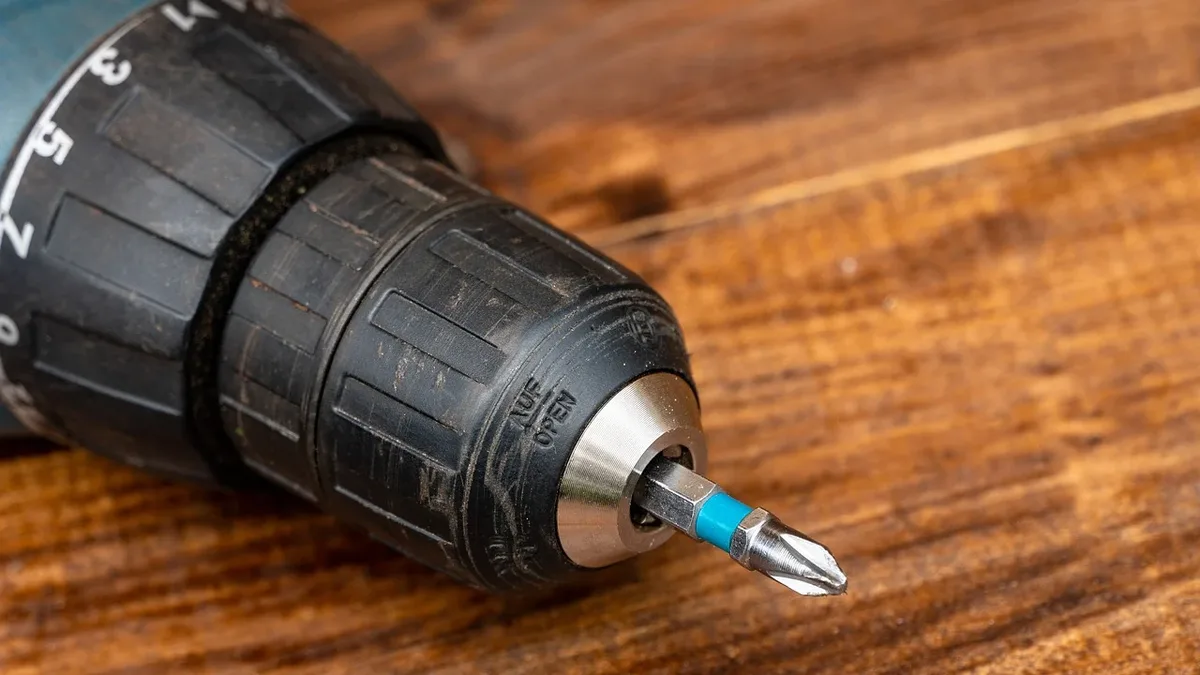
The Woodworkers Institute outlines specific working properties. Boxwood has a moderate blunting effect on tools. It is not very easy to plane. It turns quite well on a lathe. Pre-drilling for screws is essential. It glues satisfactorily. It accepts stains and polishes well when carved or turned.
Box trees are rarely felled. Woodworkers typically buy from a specialist supplier. Conversion must be done carefully to avoid waste. The wood is straight-grained with small, tight knots. This makes it reliable to cut. It requires slow seasoning. Log ends should be coated during drying. Once dried, it is very stable.
Challenges and Considerations
Cultivated box plants are often not the common box species. They are other related varieties. A fungal disease called box blight can cause dieback and bare patches. This affects hedging and topiary. Also, finished items with boxwood heartwood can be vulnerable to the common furniture beetle.
The tree provides a dense, sheltered habitat. It is home to small birds, mammals, and insects like bees. A notable stand of ancient box woodland is at Box Hill in Surrey. The National Trust manages this site. It is named for these trees.