Designer Advocates for Flexible, Sustainable Luxury
Chiara Cantilena argues that high-end interior design can reconcile luxury with flexibility and sustainability through durable materials, modular
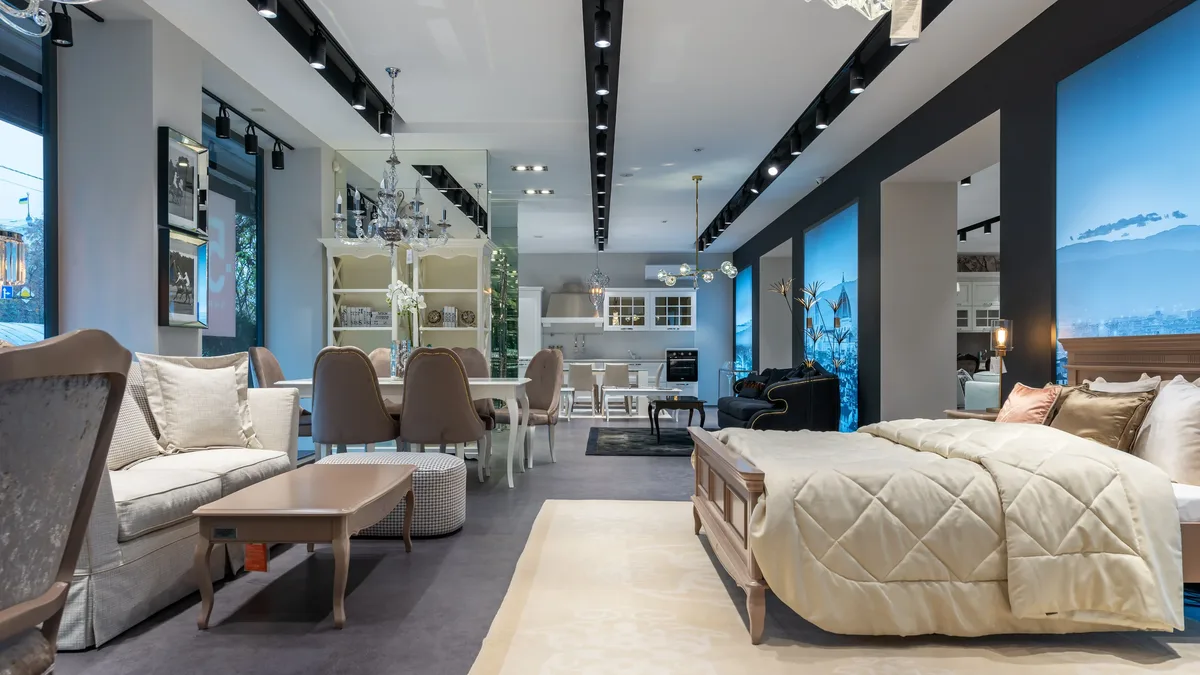
Designer Chiara Cantilena questions whether luxury interior design can be both flexible and sustainable. In a column for Design Insider, she contends that these qualities are not only compatible but essential for the industry's future.
Cantilena, whose studio works on high-end hospitality fit-outs, identifies a perceived tension between delivering luxury and adhering to responsible practices. She challenges the notion that exquisite, curated spaces require ultra-specialized, fixed designs. Instead, she proposes that memorable environments should be built on a strong, timeless foundation.
Enabling Graceful Evolution
True flexibility, according to the designer, is not merely about accommodating change. It is about enabling spaces to evolve gracefully over time while retaining their identity and quality. This stems from durability and permanence. She advocates for materials and features that can adapt to various uses while maintaining their inherent beauty and value.
She states the design community can no longer prioritize beauty over purpose and environmental impact without sacrificing credibility. The sector contributes heavily to global carbon emissions, making a shift imperative.
Strategies for Adaptable Design
Cantilena outlines specific approaches to achieve this goal. Design for modularity, demountability, disassembly, and reuse is essential and need not compromise quality. For example, creating wall coverings that can be removed for off-site repair extends longevity and reduces operational disruption.
Embracing modular or adaptable furniture is highlighted as an effective solution for supporting different use scenarios. This is key to morphing spaces for a variety of needs. The column also calls for a move beyond recycling, prioritizing circular practices that select materials for reuse or return to production.
The Centrality of Place
Beyond material strategies, Cantilena argues that a sense of place remains central to sustainable luxury. Imbuing designs with local character preserves heritage, supports local crafts and communities, and regulates resource consumption. She references the ancient Roman concept of 'Genius Loci', or spirit of place, which communicates a location's unique identity.
This connection grounds design choices in cultural uniqueness. She suggests that human genius has historically been associated with resource scarcity, not abundance. The quality of an experience, therefore, is defined by making the best use of local resources and skills to create honest, grounded designs. This focus shifts value from a mere metric to a form of respect, build a sense of belonging for users.
Cantilena concludes that design must center on human behavior and lived experience to create spaces with lasting relevance. Environments reflecting human dynamics are inherently more adaptable to shifting needs, keeping them effective and meaningful far into the future.