The Elusive Concept of Shibui: A Journey of Discovery
Phil Evans explores the Japanese concept of shibui, a nuanced idea that captures a timeless humanity and evokes a sense of calmness, harmony, and reflection.
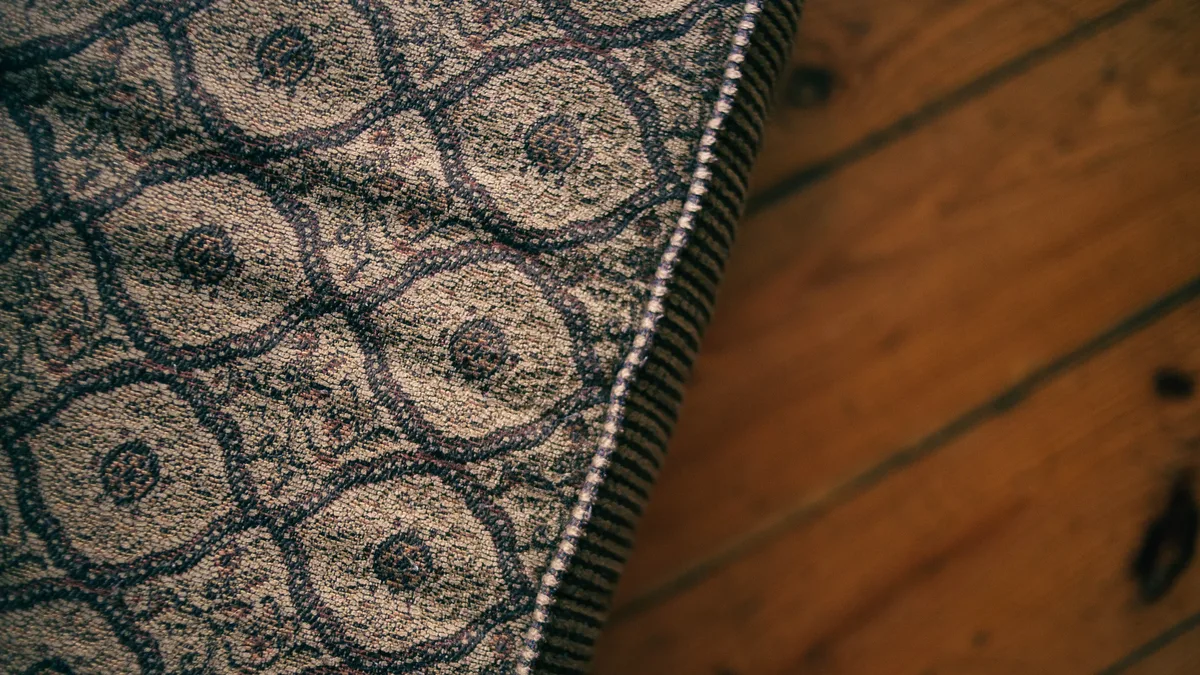
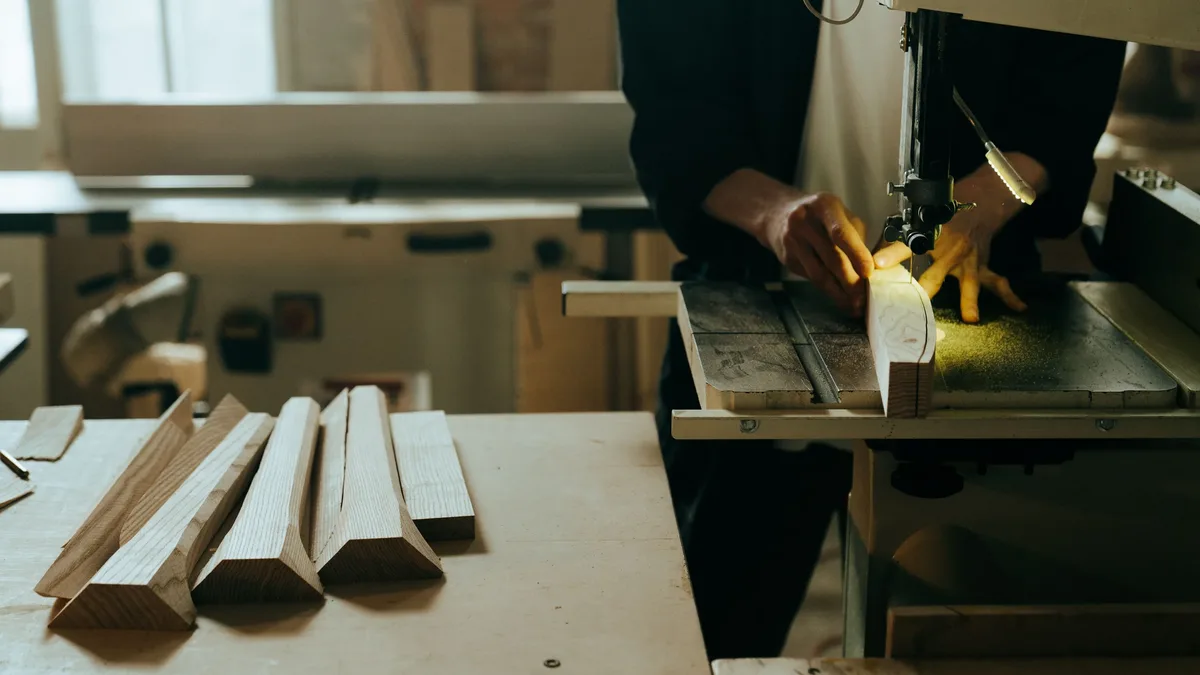
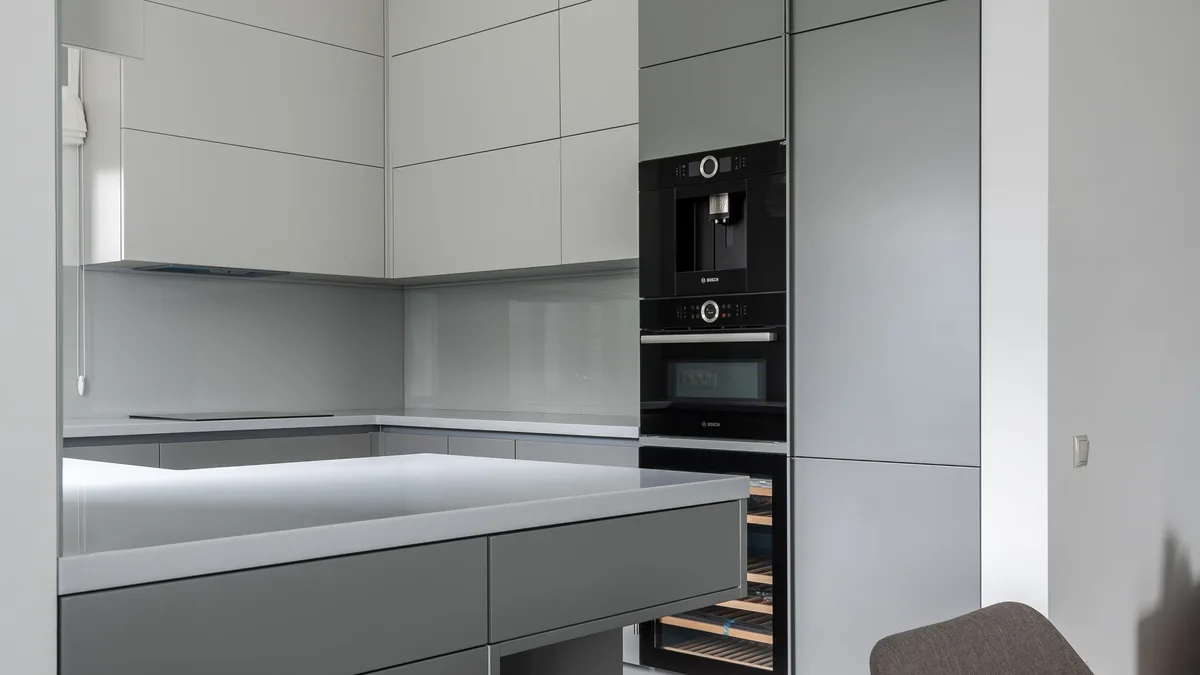
Phil Evans, a furniture maker, has been on a journey to understand the concept of shibui, a Japanese idea that is often felt but rarely spoken of in the West. He discovered that shibui is a special presence that some pieces possess, but it resists easy naming. Evans found that the Western design vernacular tends to place people in camps that are often far apart, and it misses the magic that can exist in between. ## The Concept of Shibui Evans struggled with the tension between being a minimalist or a maximalist, but he didn't know how to express what he was. He discovered that there might be a set of Japanese ideas that described the more nuanced type of beauty he was drawn to. This was called shibusa (shibui in the adjective form), and it captured his imagination. Evans found that shibui is a concept that is intentionally loosely codified in Japan, and it has evolved differently in the West. ## The Meaning of Shibui In Japan, shibui is a living vocabulary, and its meaning depends on whom you ask. J. Harada describes shibui as a quality that is quiet and subdued, natural and has depth, but avoids being too apparent or ostentatious. Yanagi Sōetsu, a philosopher behind Japan's mingei (folk-craft) movement, describes shibui as simple, subtle, and unobtrusive beauty that creates a profound, unassuming, quiet feeling. Shibusa is a mirror reflecting inner nature, and an object infused with shibui possesses simplicity and layers that reveal themselves through time and attention. ## The Western Interpretation of Shibui In the West, scholars attempted to define shibui crisply and apply it in the context of craft. They broke down the concept into seven elements: silence, naturalness, simplicity, implicitness, modesty, everydayness, and imperfection. However, when Evans asked Japanese makers about these elements, he was met with polite but blank looks. There isn't huge awareness in Japan of the Western interpretation of shibui. ## Exploring Shibui in the Real World Evans spoke to two makers he deeply respects, Jon Stollenmeyer and Brian Holcombe, for their perspectives on shibui. Jon Stollenmeyer, a partner and head carpenter at Somakosha, a workshop and school in Okayama, Japan, thinks of shibui as a nuanced idea that captures a timeless humanity. He believes that items infused with shibui invoke a feeling of calmness, harmony, reflection, and appreciation. Shibui in Japan is a moving target that meets us as much as we meet it, and it hits us with its authenticity. ## Conclusion Evans' journey to understand shibui has been a discovery of the nuances of this concept. He found that understanding both Western and Eastern interpretations of shibui has value for makers, as it expands their design vocabulary and allows them to participate in a bigger conversation about shibui. Shibui is a concept that is intentionally loosely codified in Japan, and it has evolved differently in the West. Evans' exploration of shibui has shown that this concept is not just a design idea, but a way of life that captures a timeless humanity and evokes a sense of calmness, harmony, and reflection.